

By Raj Mistry
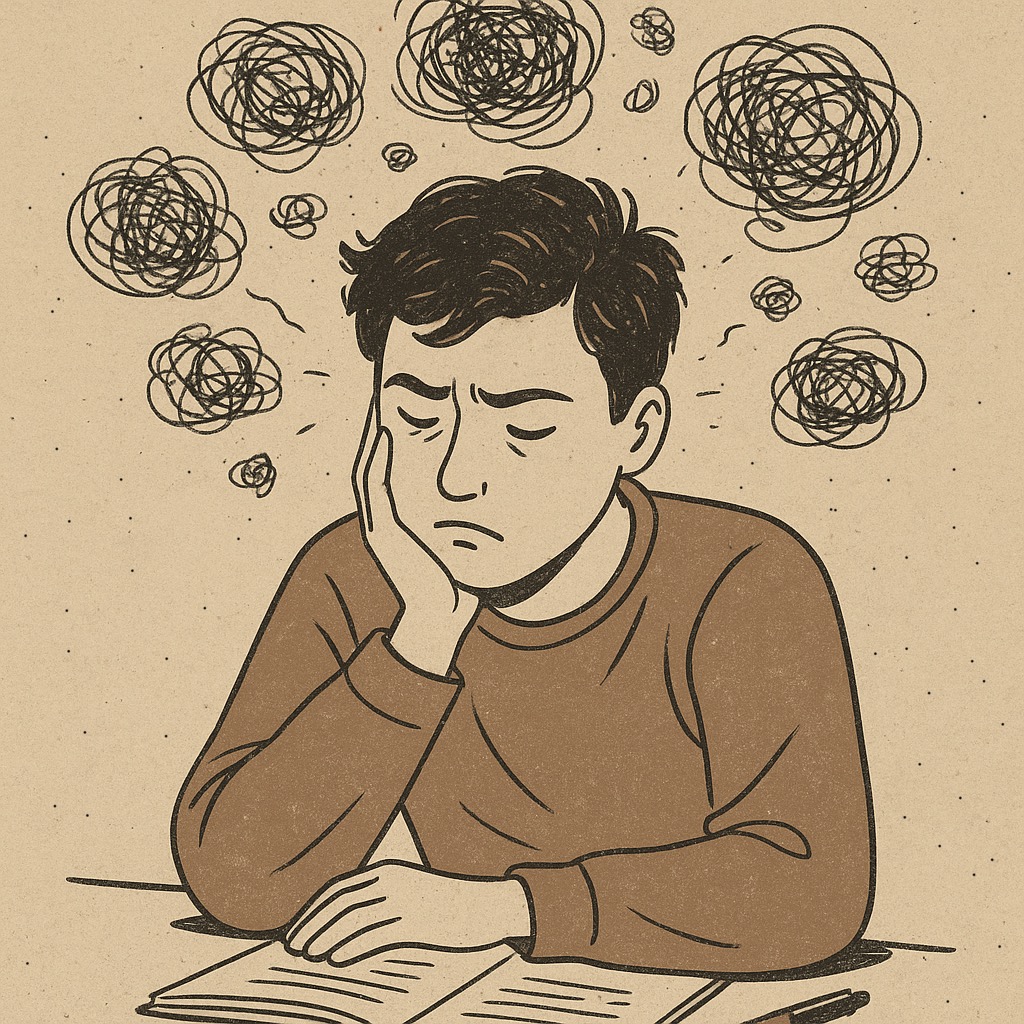
We’ve all had that one teacher, professor, or senior who seemed a little too short-tempered. You ask a simple question, and instead of a calm explanation, you get an irritated sigh or a sarcastic remark. Naturally, we assume — they’re rude. But what if that’s not the full story?
Let’s look at it from another angle — not as a student who feels dismissed, but as a person trying to understand why some scholars or experts react this way.
—
The “Curse of Knowledge”: When Knowing Too Much Becomes a Problem
Psychologists call this the curse of knowledge — a bias that occurs when someone who understands a topic deeply forgets what it’s like to not know it. Once we master something, it becomes difficult to imagine how it felt when it was confusing.
This is why a physics professor might get frustrated when someone asks whether the Earth revolves around the Sun. To the professor, it’s a basic, universally known fact. But to the person asking — it might genuinely be a doubt. The expert’s mind, however, has moved far beyond that level of simplicity.
When knowledge becomes second nature, empathy for beginners can fade. The reaction isn’t truly anger — it’s the brain’s impatience with what feels “too obvious.”
—
Why Scholars Lose Patience Easily
Like when we tell our younger sibling or cousin that school friends won’t stay forever — that once high school is over, everyone moves on with their lives. But they don’t listen. They smile and say, ‘No, we’ll always stay in touch.’ And you can’t blame them, because you once said the exact same thing when your elder brother, sister, or parents told you the same.
Professors or scholars experience this constantly. They teach the same concepts year after year. When students ask questions that feel repetitive or too basic, the irritation comes from mental fatigue, not personal dislike. To them, it’s like replaying the same song on loop.
Research in educational psychology supports this. Studies show that people with higher expertise often struggle to “simplify” information because their brains automatically skip steps that seem obvious to them. Their mental map is so advanced that they forget the beginner’s route.
—
Experience Changes Empathy
There’s another angle — emotional experience.
Imagine your friend comes to you heartbroken after their first breakup. If you’ve never been through one, you’ll likely listen with care and curiosity: “What happened? How are you feeling?”
But if you’ve already experienced a few heartbreaks, your reaction may change to: “Don’t worry, it happens. You’ll get over it.”
It’s not that you’ve become insensitive — you’ve just normalized the pain because you’ve processed it before. What once felt huge now feels small. The same thing happens with scholars. What feels like a big, confusing concept to you is something they’ve mastered long ago.
Over time, experience replaces curiosity with efficiency. And sometimes, that efficiency can sound cold or rude.
—

How You Can Approach Experts More Effectively
Understanding this dynamic helps you communicate better with people who are more experienced or educated. Here are a few simple ways to bridge the gap:
1. Do a bit of groundwork first. Before approaching a professor or mentor, read up on the topic. Even a basic understanding can help you ask sharper, more focused questions.
2. Respect their level of knowledge. If your question is elementary, it’s better to ask someone closer to your level first — a classmate, junior teacher, or tutor.
3. Acknowledge their expertise. Starting with a line like “I tried reading about this but still got confused…” shows humility and effort.
4. Stay calm if they sound impatient. Irritation doesn’t always mean disrespect; often it’s just a reflex from repetition.
5. Keep learning empathy both ways. Just as you hope your teachers understand your beginner’s struggle, someday you’ll also need to stay patient with people who know less than you.
—
Why This Happens to All of Us Eventually
We may laugh at professors for being irritable, but every one of us does the same thing in other situations. When you’ve learned something deeply — driving, cooking, coding, swimming — and someone new struggles with it, you might think: “How can they not get it? It’s so simple!”
That’s the same curse of knowledge in action. The moment you master something, your brain starts compressing the steps it took to learn it. You forget the confusion, frustration, and mistakes that used to slow you down.
So, when experts seem rude, it’s not arrogance alone — it’s a mix of over-familiarity, cognitive bias, and human limitation.
—
The Takeaway
Rudeness isn’t always rudeness. Sometimes it’s exhaustion. Sometimes it’s a shortcut mind. Sometimes it’s a gap in empathy caused by the very expertise we admire.
The next time a teacher or a scholar snaps at a question, pause before judging. You’re seeing a human — one who’s spent years repeating the same answers, forgetting what it’s like to be new.
And remember, one day you might be in their place. When that happens, try to stay kind. Because true wisdom isn’t just knowing more — it’s remembering how it felt not to know.