

By Raj Mistry
The idea of God has existed longer than any kingdom, culture, or ideology. Some believe deeply, some question, some reject, and most sit somewhere in between—unsure, but still curious. The real question is not “Does God exist?” but rather, “Why does the idea of God matter to us at all?”
I’m not here to preach, convert, or argue for or against religion. This is simply a psychological perspective—how I see the idea of God, and why it continues to live in every corner of human society.
1. The One We Call in Silence
Even people who claim not to believe use phrases like:
• “Oh God…”
• “God, why me?”
• “For God’s sake.”
Why does this happen?
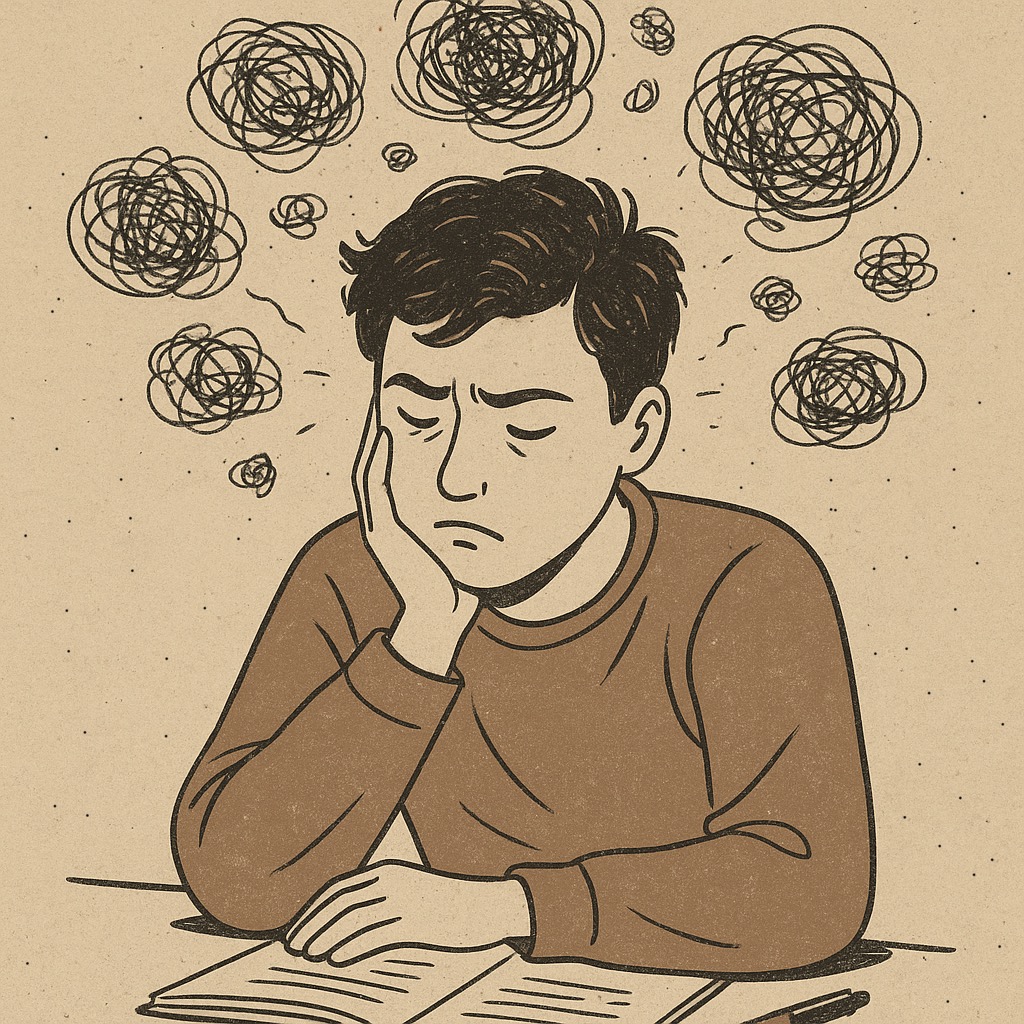
Because when we are surrounded by people, we depend on people. But when we are truly alone—emotionally, mentally, or situationally—humans instinctively look upward, not outward. When there is no one left to talk to, blame, beg, or lean on, the mind creates a final space… and that space is where the idea of God sits.
God becomes:
• A silent listener
• A psychological support system
• An invisible presence we can talk to without judgment
Even if no one is physically there, we feel there is someone—and that can be enough to survive a moment of pain.
2. The Final Resort
When life falls apart and there’s no friend to call, no family who understands, and no shoulder to cry on, people—believers and atheists alike—tend to look upward.
If there were no concept of God, whom would we blame for fate?
Whom would we beg for help when we are powerless?
Whom would we talk to when we don’t want to break in front of others?
The idea of God gives people a direction to point their emotions—whether love, anger, surrender, pain, fear, or hope.
That’s why in loneliness, even an atheist sometimes whispers a prayer.
Not out of devotion—but out of human vulnerability.
You can deny God in comfort, but in suffering, the mind reaches for anything that can hold it together—even an invisible presence.
3. A Psychological Anchor
Think of God as an anchor. Maybe He is real, maybe He isn’t—but the belief can:
• Stabilize the mind
• Reduce anxiety
• Prevent emotional collapse
• Give meaning to events that feel unfair
• Make pain feel bearable instead of random
Sometimes, humans don’t need a solution. They need a witness for their pain. The idea of God becomes that witness.
In the Bollywood movie PK, even an alien—lonely and afraid in a strange world—turns to God. Not because he understands religion, but because he needs a sense of support. That’s the psychology of belief.

4. Daytime Atheist, Nighttime Believer
A person may proudly claim in daylight:
“I don’t believe in God.”
But put the same person alone on a silent highway…
or in a shaking airplane…
or in a hospital waiting room…
and suddenly the mind whispers:
“Please… God…”
Belief often disappears in pleasure, and reappears in fear.
5. So, Does God Exist?
Maybe God is real.
Maybe God is symbolic.
Maybe God is a creation of the human mind to survive suffering.
But one thing is undeniable:
The idea of God is powerful.
It gives strength when you are weak, company when you are alone, and hope when logic fails.
Whether you believe or not, the idea of God has the power to hold you together when nothing else can.
You don’t have to follow God.
But someday, when life becomes heavier than your chest can hold,
you will look up—because the mind needs something bigger than itself to survive.
And that is why God, at the very least, will always exist in human consciousness.
“Whether God exists or not may never have a clear answer. But the idea of God has power — especially in our loneliest and darkest moments.”