
By Raj Mistry
There comes a day in everyone’s life when you finally realise something that may feel uncomfortable at first: you are not the main character in anyone else’s life.
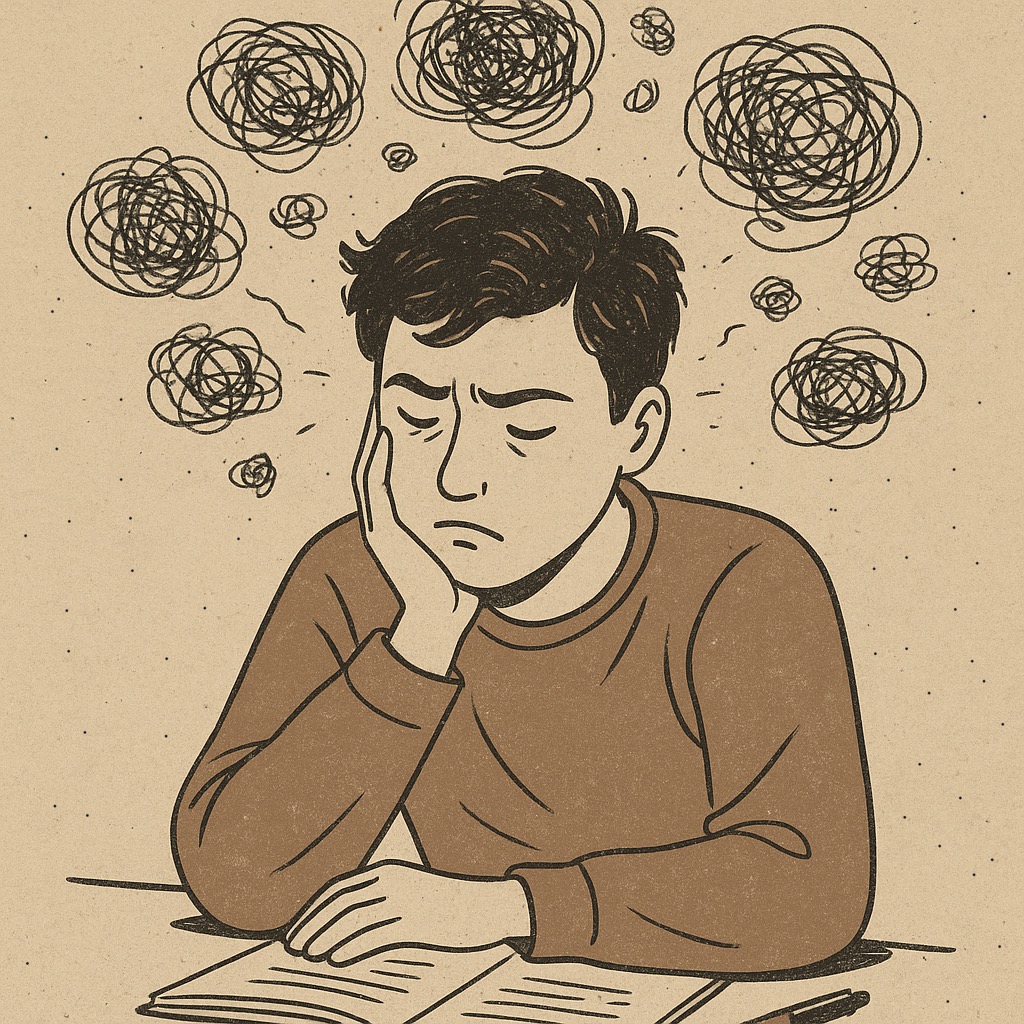
We spend so much time inside our own heads imagining that people are constantly thinking about us. We imagine them noticing how we look, how we speak, what we wear, what we post, whether we succeed, whether we fail, and whether we make a mistake. We create an invisible audience around ourselves and then start living as though thousands of people are watching everything we do.
But the truth is much simpler. Everyone is busy dealing with their own life. Their own problems, relationships, insecurities, ambitions, failures and plans. They may notice you for a moment, but they rarely think about you for as long as you imagine.
And once you truly understand that, something very strange happens.
You become free.
The Main Character Illusion
We all like to believe that we are important in other people’s stories. Somewhere in our imagination, we become the person everyone notices when we enter a room. We imagine saying something brilliant in a meeting and everyone remembering it. We imagine helping someone on the road and being praised for it. We imagine making a mistake and believe people will talk about it for days.
But real life rarely works like a movie.
You can say something intelligent in a meeting and people may appreciate it, but five minutes later they are thinking about their own work. You can walk into a room wearing something unusual and someone might look at you, but they will probably forget it shortly afterwards. You can make an embarrassing mistake in public and feel like the entire world witnessed it, while most people barely remember it by the time they reach home.
The reason it feels so important is because you experienced it. You were there for every second of your own embarrassment, every thought, every emotion and every detail. Other people experienced only a few seconds of it.
We remember our own mistakes for years because we live inside our own story. Other people are busy living inside theirs.
Nobody Is Watching You as Closely as You Think
Think about how many things you have avoided because of the question, “What will people think?”
Maybe you wanted to try something new but were afraid of failing. Maybe you wanted to speak up but worried that you would sound stupid. Maybe you wanted to dress differently, travel somewhere alone, start a business, post something online or simply behave differently from what people expected.
We create consequences in our imagination before anything has even happened.
“What if they laugh?”
“What if they judge me?”
“What if I fail?”
But ask yourself honestly: how long will they actually care?
People are not sitting around analysing your life. They are thinking about their own appearance, their own mistakes, their own relationships, their own money and their own problems. While you are worrying about whether someone noticed your awkward moment, that person may be lying awake wondering whether you noticed theirs.
This is why realising that you are not constantly under observation can be such a relief.
You don’t have to be perfect because there is no permanent audience waiting for you to perform.

The Spotlight Effect
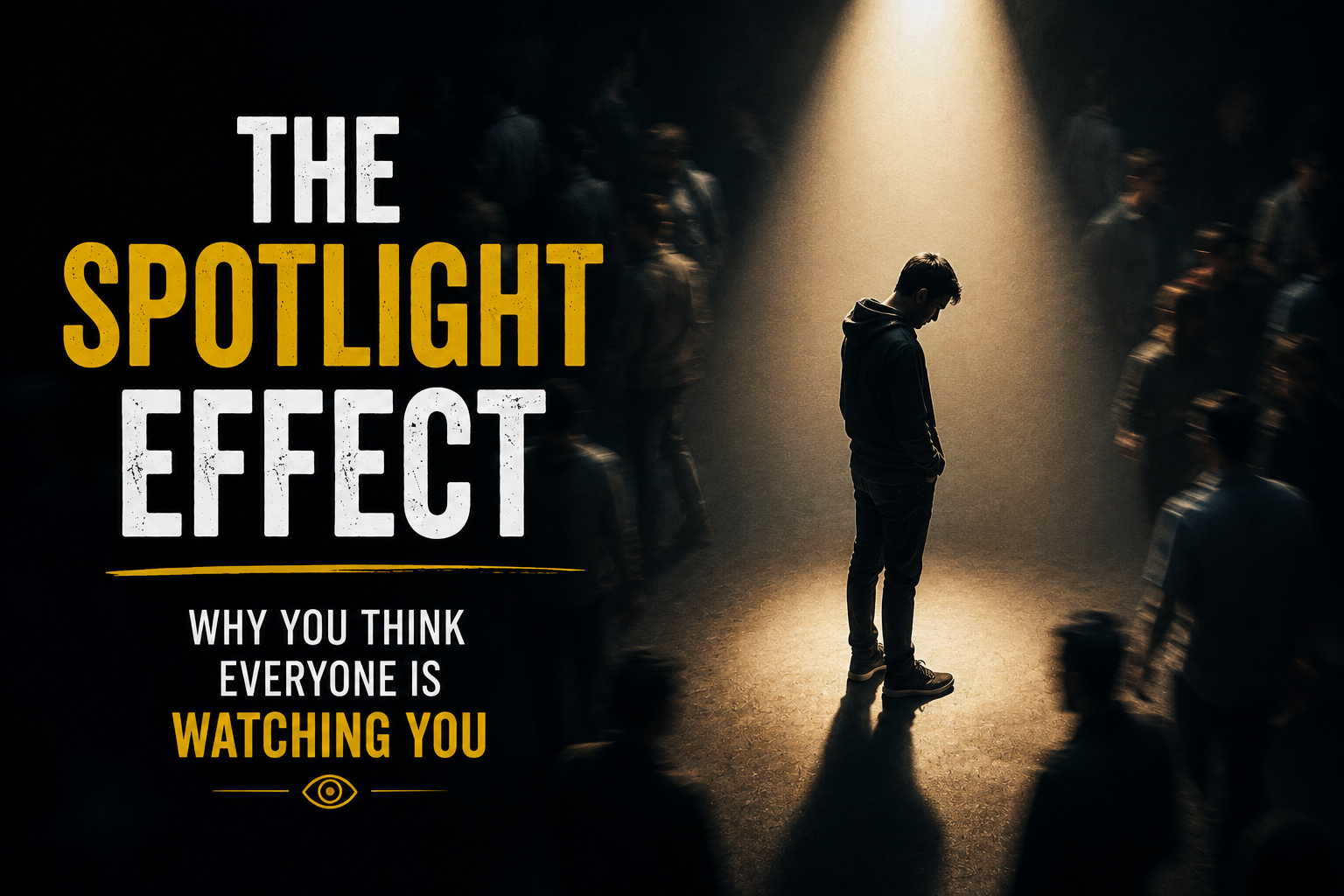
Psychology has a term for this tendency: the spotlight effect.
We often overestimate how much other people notice our appearance, behaviour and mistakes. It feels as though we are standing on a stage with hundreds of eyes pointed at us.
So we start monitoring everything.
Our clothes. Our hair. Our voice. Our expressions. Our posture. The way we walk. The way we speak. Whether we looked confident enough. Whether someone noticed that we were nervous.
That constant self-monitoring becomes exhausting.
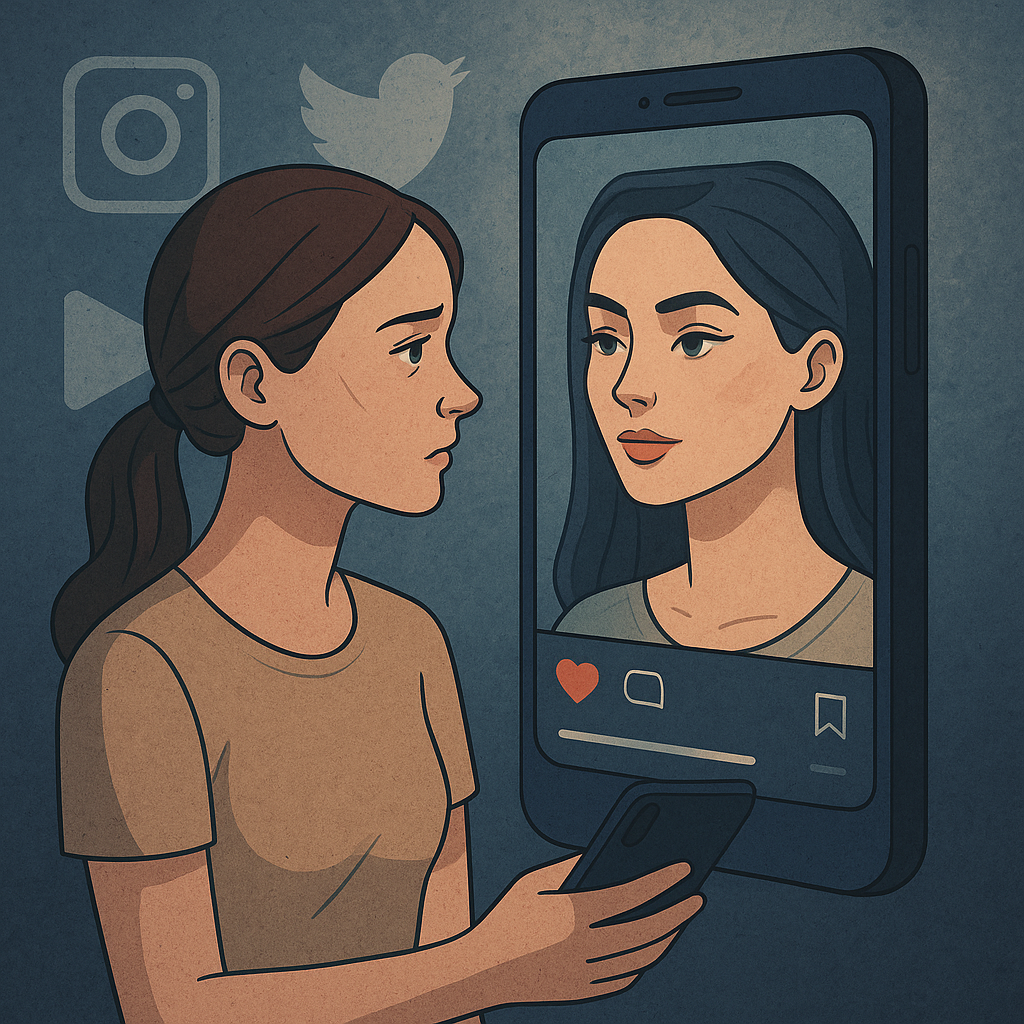
And the strange part is that everyone else is doing something similar. You are worried about how you look to them while they are worried about how they look to you.
The stage exists, but the spotlight is much smaller than you think.
Once you understand this, you stop giving imaginary judgment so much power over your real life.
When the Ego Finally Breaks
Accepting that you are not the centre of everyone’s world can feel like an ego crash.
For years, you may have created an identity around how you want to be seen. You develop certain personalities, behaviours and “skins” because you believe they will make other people admire you, respect you or accept you.
But sometimes those skins don’t actually feel like you.
They may look good from the outside, but they feel uncomfortable from within.
Then one day you realise that the people you were trying so hard to impress were never paying as much attention as you thought. The identity you built for them suddenly starts to feel unnecessary.
It can hurt.
But there is freedom in that pain.
If nobody is watching that closely, you don’t have to keep performing. You don’t have to pretend to be confident when you’re not. You don’t have to create a personality just to fit into someone else’s expectations. You can make mistakes without treating every mistake like a public failure.
You can finally become comfortable in your own skin.
And that is where real confidence begins.
Everyone Is the Main Character in Their Own Story
You are important to the people who love you. Your actions matter. Your relationships matter. But you are not the centre of everyone’s universe.
Neither is anyone else.
Every person you pass on the street has a life you know almost nothing about. They have their own memories, worries, dreams, family problems, ambitions and fears. You may appear in their story for a few minutes while they appear in yours for even less.
That isn’t sad.
It’s simply how life works.
You are the main character in your own life because you are the one experiencing it. Everyone else is doing exactly the same thing from their perspective.
And once you accept that, you stop needing everyone to approve of your choices. Someone else’s success doesn’t automatically make you unsuccessful. Someone else’s opinion doesn’t become a fact about you. Someone else’s expectations don’t have to become your instructions.
You can respect people without living for them.
Stop Performing and Start Living
A large part of the pressure we carry comes from an audience that exists mostly in our imagination.
We worry about the photo someone might judge, the mistake someone might remember, the outfit someone might dislike, or the failure someone might laugh about. We spend enormous amounts of energy trying to control an opinion that may not even exist.
You don’t need to stop caring about people. Listen to genuine feedback. Learn from criticism. Treat people with respect.
But don’t allow imaginary judgment to decide the direction of your life.
Try the thing you’ve been postponing. Speak when you have something to say. Make the mistake. Start again. Travel somewhere you’ve wanted to visit. Change something about yourself because you want to change it—not because you are afraid of how someone else will see you.
Most people will notice for a moment and then return to their own lives.
Let them.
Final Thought
You are not the hero in everyone else’s story.
They are the hero in theirs.
And the day you truly accept this, something inside you changes. Your ego becomes quieter. Your fear becomes smaller. You stop performing for an imaginary audience and start paying attention to the life that is actually in front of you.
You realise that the world isn’t watching every step you take.
And that’s not a loss.
It’s freedom.
Because when you stop worrying about being the main character in everyone else’s life, you finally have the freedom to become the main character in your own.
Stop performing. Start living.
That’s when your real story begins.