
By Raj Mistry
In this world, almost all of us are addicted to something — whether we label it as an addiction or not.
It could be social media, alcohol, cigarettes, drugs, work, a person, a relationship, or simply the constant need for distraction. We may call it “normal,” “harmless,” or “just time-pass,” but somewhere deep down, we often know when something has stopped being something we simply enjoy and has become something we depend on.
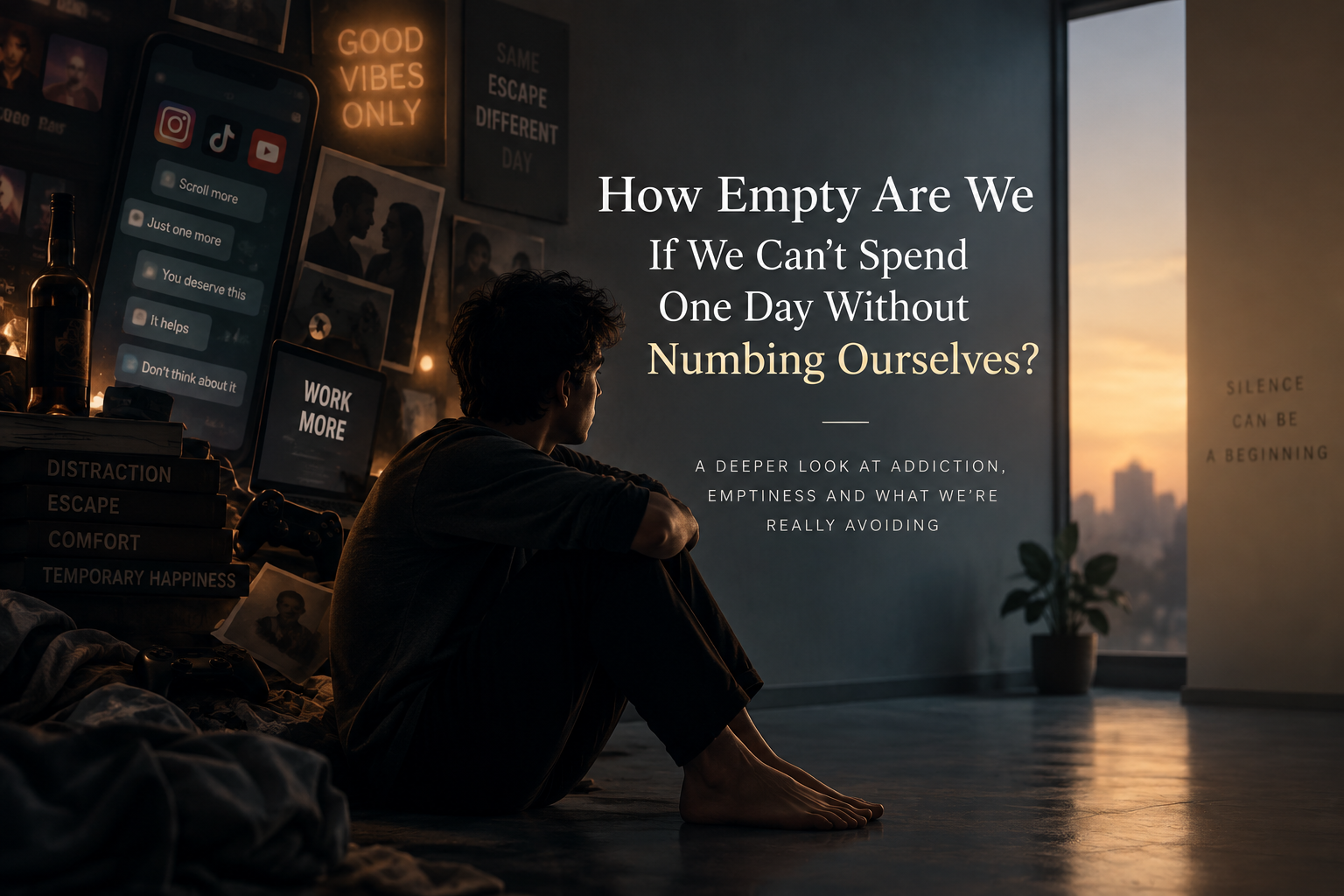
The real question is: How empty are we if we cannot spend even one full day without numbing ourselves?
Take away the phone, the drink, the scrolling, the noise, the constant stimulation — and what happens? If we immediately become restless, irritated, or uncomfortable, that discomfort itself may be telling us something. Perhaps we are no longer using these things simply for enjoyment. Perhaps we are using them to escape something we don’t want to sit with.
How Addiction Actually Begins
Most addictions don’t start as addictions. Alcohol can start as enjoyment. Social media can start as entertainment. Relationships can start as comfort. Work can start as ambition. At the beginning, there may be nothing obviously wrong with any of them. But somewhere along the way, something changes. We stop using them because we want to and start using them because we need them to feel a certain way.
Addiction often enters when something inside us feels missing — a lack of meaning, a lack of self-worth, emotional pain that hasn’t been expressed, or the feeling of being unseen, unheard, or unvalued. When that emptiness becomes too heavy, we naturally look for something outside ourselves to make it quieter. Alcohol dulls the pain. Scrolling distracts the mind. Porn provides momentary comfort. Work keeps us busy. A toxic relationship can give us a temporary sense of belonging.
But none of these things actually solve what is underneath. They only pause it. Once the effect fades, the emptiness returns. So we go back again. And again. Eventually, the thing that once gave us temporary relief can become something we feel we cannot live without.
Why Addiction Is a Symptom, Not the Problem
Addiction is often not the core problem. It can become a temporary solution to a deeper one.
That’s why people sometimes focus entirely on stopping the behavior — deleting the apps, removing alcohol, blocking an ex, or cutting off whatever they have become dependent on — while still feeling miserable. The behavior may be gone, but the reason they needed it in the first place is still there.
When we look closely, these patterns often become stronger during breakups, failures, loss, financial stress, loneliness, or an identity crisis. When something inside us hurts, we naturally look for something that can make the pain quieter. You rarely hear someone say, “I’m on top of the world — let me ruin my life with addiction.” More often, the escape appears when something inside us is already struggling.
The Numbing Cycle We Don’t Notice
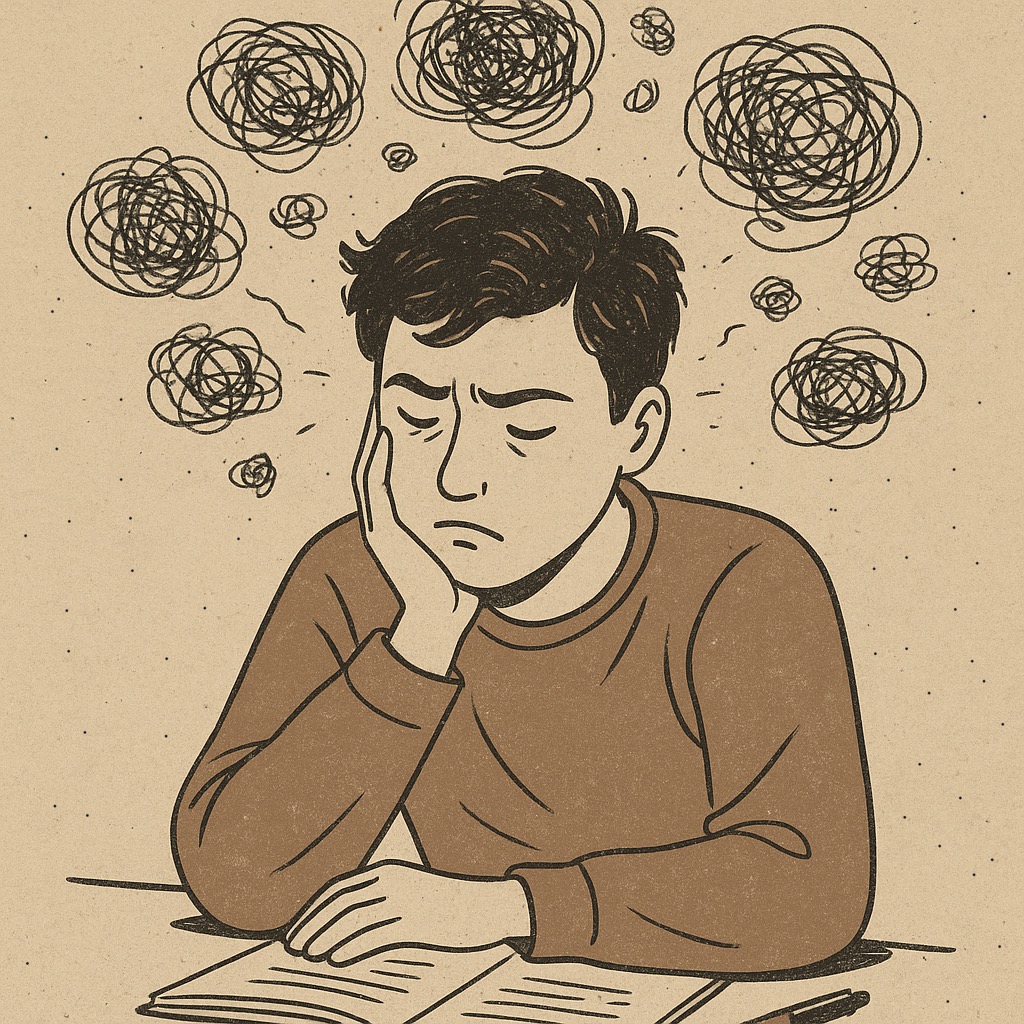
Ask yourself honestly: how often do you reach for your phone without even thinking about it? Not because you’re genuinely interested in anything, but because silence suddenly feels uncomfortable. How easy is it to grab a drink when your emotions feel heavy? And how quickly do we rename it as “relaxing” so we don’t have to admit why we’re actually doing it?
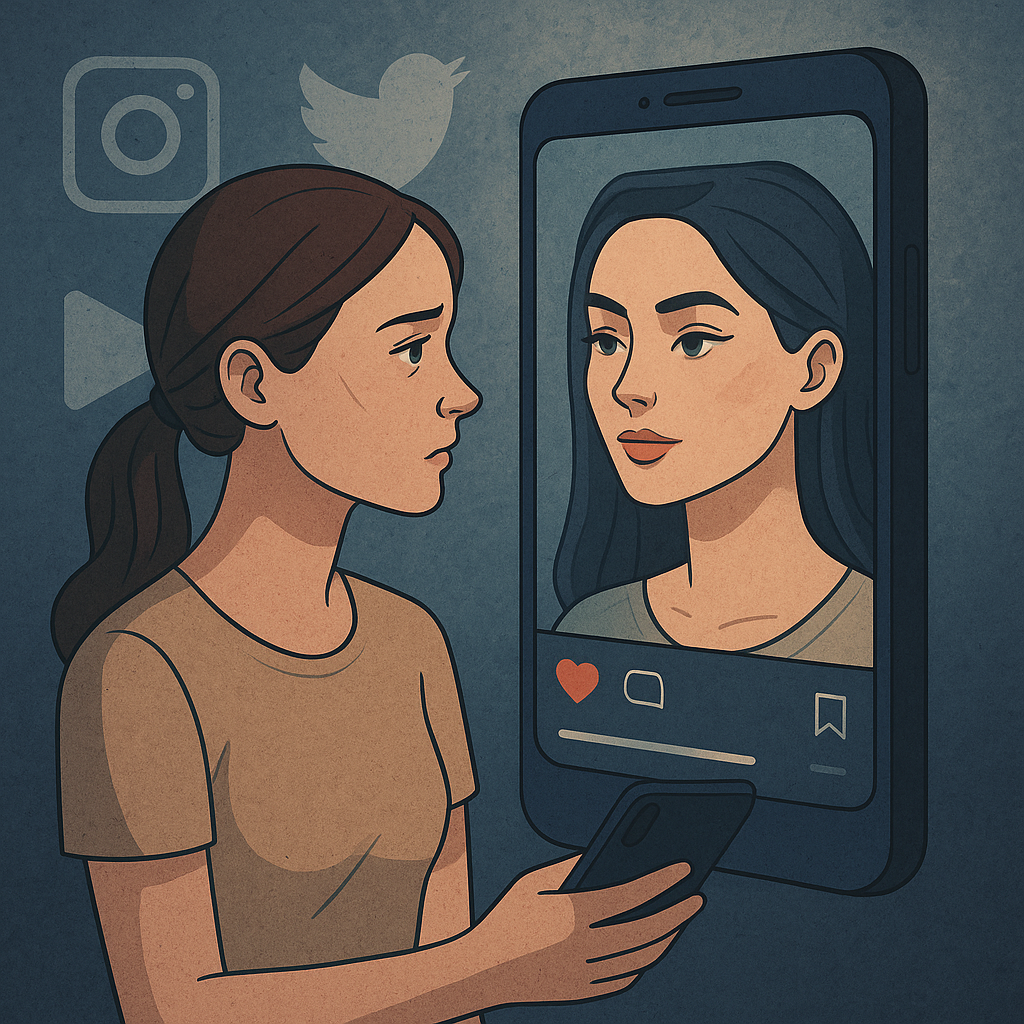
Addiction doesn’t always look dramatic. Sometimes it looks like endless scrolling, binge-watching, pornography, one-night stands, workaholism, or simply staying busy because slowing down would force us to think. We can become so accustomed to filling every empty moment that eventually, even a few minutes of silence can feel unbearable.
Even relationships can become addictive — not necessarily because the love isn’t real, but because of how the relationship makes us feel. It can make us feel seen, wanted, needed, and valued. That’s why some breakups can feel like withdrawal. We miss the person, but sometimes what we really miss is the feeling they gave us. We miss having someone to call. We miss feeling important to someone. We miss not having to face our loneliness.
Why We Avoid the Root Cause
The real work begins when you sit alone and ask yourself uncomfortable questions: Why do I feel empty? What am I avoiding? What am I scared to face?
That’s exactly why we avoid solitude. When there is no phone, no drink, no work, no relationship, and no constant noise to distract us, we are left alone with ourselves. And sometimes, that’s the one thing we don’t want.
Finding the root cause can be scary at first. It’s like throwing water on a fire — the flames rise before they die. The discomfort may actually become stronger before it begins to fade. But if you keep pouring the water, eventually the fire goes out. Most people don’t want to go through that phase.
Ego steps in. Admitting loneliness feels weak. Admitting pain feels shameful. Going to therapy can feel like admitting that something is wrong with you. So instead of walking the difficult road once, we choose the easier escape again and again. And the very thing we use to avoid our pain eventually becomes the thing keeping us trapped.
An Example That Explains Everything
Imagine it’s winter and you feel cold. You have two options: wrap yourself in a blanket or move your body and generate heat.
The blanket is easy. It gives you immediate comfort. Exercise is uncomfortable, but it builds strength. The blanket makes the cold easier to tolerate for a while, while exercise teaches your body to create its own warmth.
Alcohol, social media, and constant distractions can work like that blanket. They give us immediate relief. Self-work, therapy, reflection, and discipline are more like exercise. They can be uncomfortable, but they help us build the ability to deal with what we’re feeling instead of constantly needing something to make those feelings disappear.
One keeps us dependent on comfort. The other makes us more capable of handling discomfort.
When Addiction Becomes Visible
Think about what happens after a breakup. Everything feels heavier. Songs hit differently. Silence hurts. You can’t stay sad forever, so you look for something that can numb the pain.
Drinking once isn’t addiction. Scrolling when you’re bored isn’t addiction. Watching something to relax isn’t addiction. The problem begins when escape becomes your default response — when you start relying on something every time uncomfortable emotions appear.
Think about a child. Buying them something once isn’t addiction. But giving in every time they become uncomfortable can create a pattern where they begin expecting that reward whenever discomfort appears.
Adults can fall into similar patterns. Something hurts, we reach for something that makes it disappear, we feel better temporarily, and then we repeat the process the next time the discomfort returns.
The Truth Most People Don’t Want to Hear
You don’t heal addiction simply by removing the substance, behavior, or person. You also have to address the emptiness it was covering.
Meaning. Purpose. Self-worth. Connection. Expression.
Until we begin dealing with what is underneath, we may quit one addiction only to replace it with another. The substance changes. The behavior changes. The person changes. But the need remains.
That’s why the real question isn’t always “How do I stop doing this?”
Sometimes it’s “What am I trying so hard not to feel?”
Final Thought
If you cannot sit alone for one full day without needing to numb yourself, it doesn’t necessarily mean you’re weak.
It may simply mean that something inside you needs attention.
Something you’ve been avoiding. Something you’ve been suppressing. Something you’ve been too busy to feel.
And the longer you avoid it, the louder it may demand to be felt.
Maybe the goal isn’t to become someone who never needs distraction, comfort, entertainment, or another person. We are human. We will always look outside ourselves for certain things.
The goal is to reach a point where you choose these things rather than need them to escape yourself.
Because sometimes the hardest thing isn’t giving up what is numbing us.
It’s finally becoming quiet enough to discover what we’ve been trying not to feel.