
By Raj Mistry
Hello, People Pleaser!!
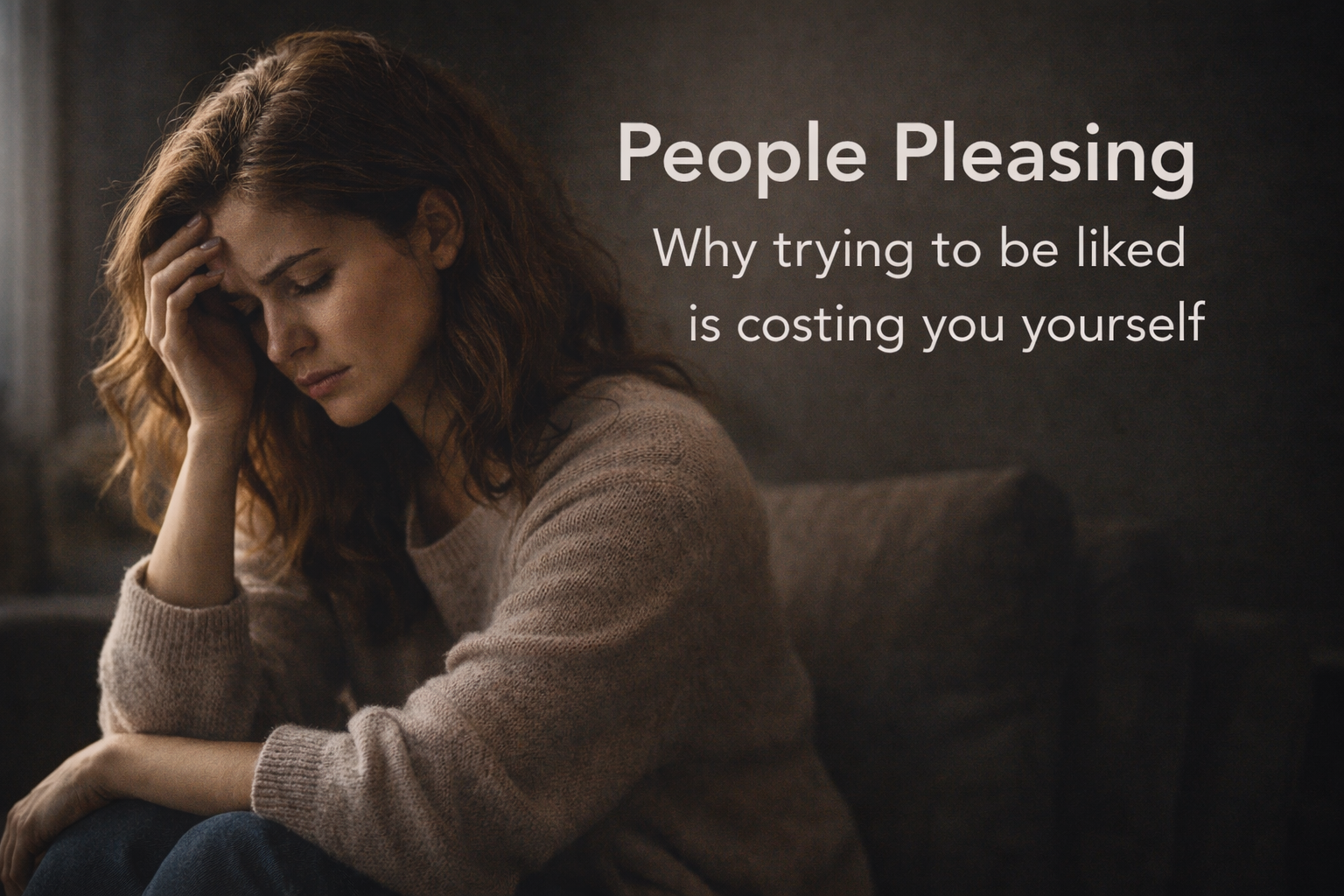
If you’re a people pleaser, this might be an uncomfortable read.
But that discomfort is exactly where growth starts.
Let’s begin.
Can you imagine a life where someone goes to extreme lengths for other people—just so they like them—while not doing even half of that for themselves?
They’ll sacrifice their time, energy, sleep, and peace for others… but won’t show up the same way for their own life.
That’s not kindness.
That’s self-neglect.
Why Do We Care So Much About Being Liked?
I genuinely don’t understand the obsession we have with people liking us.
What exactly do we gain from it?
Let’s be honest—if 50 people like you, is some company going to suddenly show up and say,
“Since everyone likes you, we’re making you the CEO of our company—even though you don’t work here and have no qualification”?
Sounds ridiculous, right?
But that’s exactly how many people pleasers live—hoping that being liked will magically reward them with respect, success, or security.
Spoiler alert: it doesn’t.
People liking you won’t share their happiness with you.
They won’t give you half their salary.
They won’t take responsibility for your life just because you were “nice” to them.
The Trap of Always Saying Yes
When you’re a people pleaser, your default answer is YES.
You help because you think:
“If I help them, they’ll like me.”
“If I help them, they’ll respect me.”
“If I help them, they’ll remember me.”
But here’s the brutal truth:
you’re not building respect—you’re slowly digging your own grave.
When you make yourself always available, people don’t see you as kind.
They see you as someone with no boundaries.
And when someone has no boundaries, they are rarely respected.
Instead of thinking, “Wow, this person is reliable,”
people subconsciously think, “They don’t have much going on in their own life.”
That’s how you slowly become the backup plan.
You’re Not Their First Choice—and That Hurts
If you’re a people pleaser, notice this pattern:
You get calls only when:
- They need help
- They’re bored
- No one else is available
You’re rarely the first choice.
You’re the convenient choice.
And if this hits close to home, you’re not alone. Most people pleasers have felt this—but avoided naming it.

The Silent Resentment
Here’s a situation many people pleasers know too well.
You say yes to helping someone with work—even when you’re tired.
You stay late. You push through exhaustion.
Then you take a short break, open your phone, and see the same person you’re helping…
out partying, posting stories, laughing with friends.
And suddenly, something inside you sinks.
Ask yourself honestly:
Is this the life you’re chasing?
Helping Others at Your Own Cost Is Not Noble
Helping others is good. No doubt about it.
But helping others at the cost of your own mental health, goals, and happiness is not kindness—it’s self-betrayal.
When was the last time you put this much effort into yourself?
When was the last time you helped you?
People pleasers often work harder for others’ happiness than for their own.
The Biggest Lie People Pleasers Believe
“If I do good for others, they’ll do the same for me.”
That belief lives in a fantasy world.
The real world doesn’t work on emotional contracts you never agreed upon out loud.
You can do everything right and still get:
- Nothing in return
- No appreciation
- Not even a thank you
And then you’re left feeling bitter, confused, and drained—wondering what you did wrong.
You didn’t do anything wrong.
You just expected fairness where there was no agreement.
What Actually Changes Everything
Instead of burning yourself out for approval, redirect that energy.
Work on yourself.
Invest in your growth.
Build your life.
Make yourself happy.
Even if things don’t go perfectly, at least your effort is finally going toward you.
Learn to be okay with people not liking you.
The real question is:
Do you like yourself?
Start there.
If you don’t respect your own time, energy, and boundaries, don’t expect others to.
When you prioritize yourself:
- Your time becomes valuable
- Your help becomes meaningful
- Your presence becomes respected
People appreciate you more when you’re not available 24/7.
Final Thought
Stop trying to be liked by everyone.
Start being someone you respect.
Help others—but not at the cost of abandoning yourself.
That’s not selfish.
That’s healthy.