
By Raj Mistry
Addiction: How Pleasure Slowly Becomes a Prison
It Never Starts as Addiction
No one wakes up and decides to ruin their life.
Addiction almost always begins as relief.
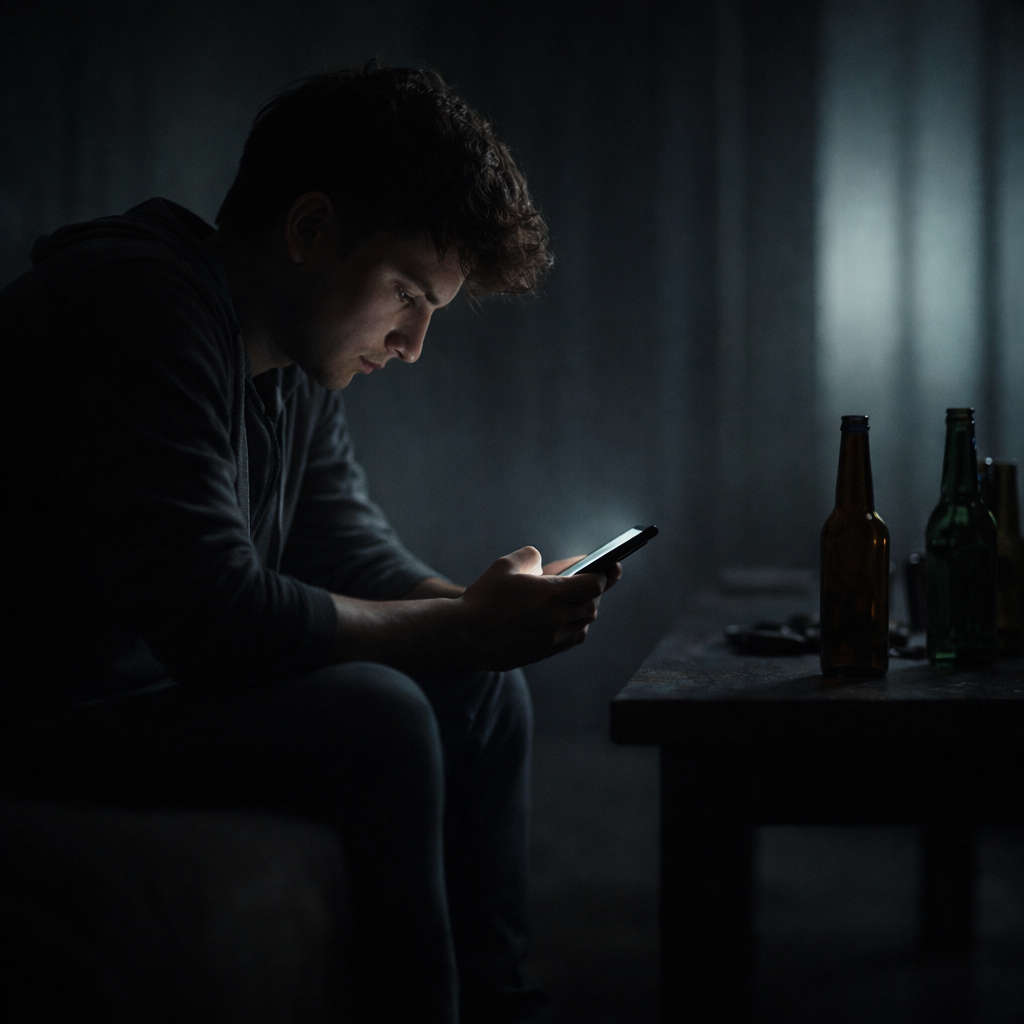
A drink after a long day.
A cigarette to calm the nerves.
Scrolling to escape boredom.
Gaming to forget problems.
At first, it feels harmless — even helpful.
You feel relaxed, lighter, quieter inside your head.
And because it works… you repeat it.
Not to escape life.
Just to feel a little better.
But repetition is where the trap quietly forms.
The Brain Isn’t Chasing Pleasure — It’s Avoiding Discomfort
Every time something feels good, the brain releases dopamine — the reward signal.
Originally, this system existed to reward effort:
finishing work, solving problems, building relationships, surviving challenges.
But substances and instant-gratification habits hack this system.
They give the reward without the effort.
The brain learns fast:
“This is easier. Use this again.”
So you do.
And again.
And again.
Soon what once felt amazing no longer feels special — it feels normal.
And when you don’t have it?
You feel low.
Not because life got worse…
but because your baseline shifted.
This is the moment addiction truly begins.
You’re no longer trying to feel good.
You’re trying to stop feeling bad.
Why Addicts Say “I Need It to Feel Normal”
Imagine someone entertains you every single day for a month — constant fun, laughter, excitement.
Then one day they stop.
Nothing bad happened.
But suddenly everything feels dull.
Your life didn’t become worse —
your mind just got used to constant stimulation.
That’s addiction.
The substance didn’t create happiness.
It replaced your normal state.
Now without it, normal feels like emptiness.
So you return — not for joy, but for relief.
Pain Is the Real Fuel
Addiction grows fastest where life feels heavy.
- Loneliness
- Uncertainty
- Heartbreak
- Pressure
- Lack of purpose
When reality feels uncontrollable, the mind searches for control somewhere — anywhere.
Alcohol slows thoughts.
Scrolling numbs silence.
Gaming creates achievement.
Drugs erase emotion.
For a moment, everything feels manageable.
So the brain remembers the shortcut.
And slowly, the escape becomes the only door you know.
The Cage You Don’t Notice
At first, you choose it.
Later, you depend on it.
Eventually, you organize your life around it.
You stop doing it to feel good.
You start doing it so you don’t feel worse.
That’s the prison — not the substance itself, but losing the ability to feel okay without it.
Getting Out Isn’t About Willpower
People think addiction is a discipline problem.
It isn’t.
It’s a learning problem.
Your brain learned a fast way to regulate emotion.
Now it must relearn slower, real ways.
That takes time.
Therapy helps you understand the pain beneath it.
Meditation helps you tolerate discomfort.
Routine helps rebuild stability.
Connection replaces escape.
Recovery isn’t a single decision —
it’s many small returns to reality.
Final Thought
Addiction is not weakness.
It’s the brain trying to protect you… in the wrong way.
You weren’t chasing destruction.
You were chasing relief.
But relief borrowed from shortcuts always comes with interest.
And the moment you begin facing what you once avoided — slowly, imperfectly —
that prison door starts to open.
Not all at once.
But enough to breathe again.