

By Raj Mistry
Many of us can relate to this — avoiding the first bench in class or not raising our hand even when we know the answer.
Why? Because deep down, we’re afraid — not of being wrong, but of being seen.
We worry that if we sit in the front, the teacher might call on us to solve a problem or ask a question. And what if we make a mistake? What if everyone laughs? So, to stay safe, we hide — behind other students, behind silence, behind the comfort of not being noticed.
It’s the same logic we had as kids playing hide and seek — “If I can’t see them, they can’t see me.” Even as adults, we carry that same instinct.
When we’re less confident or less prepared, we sit at the back, hoping not to be called upon. And if we do get picked, our heart races, hands tremble — even when we know the answer. It’s not ignorance; it’s the fear of judgment. The fear of what others will think if we’re wrong.
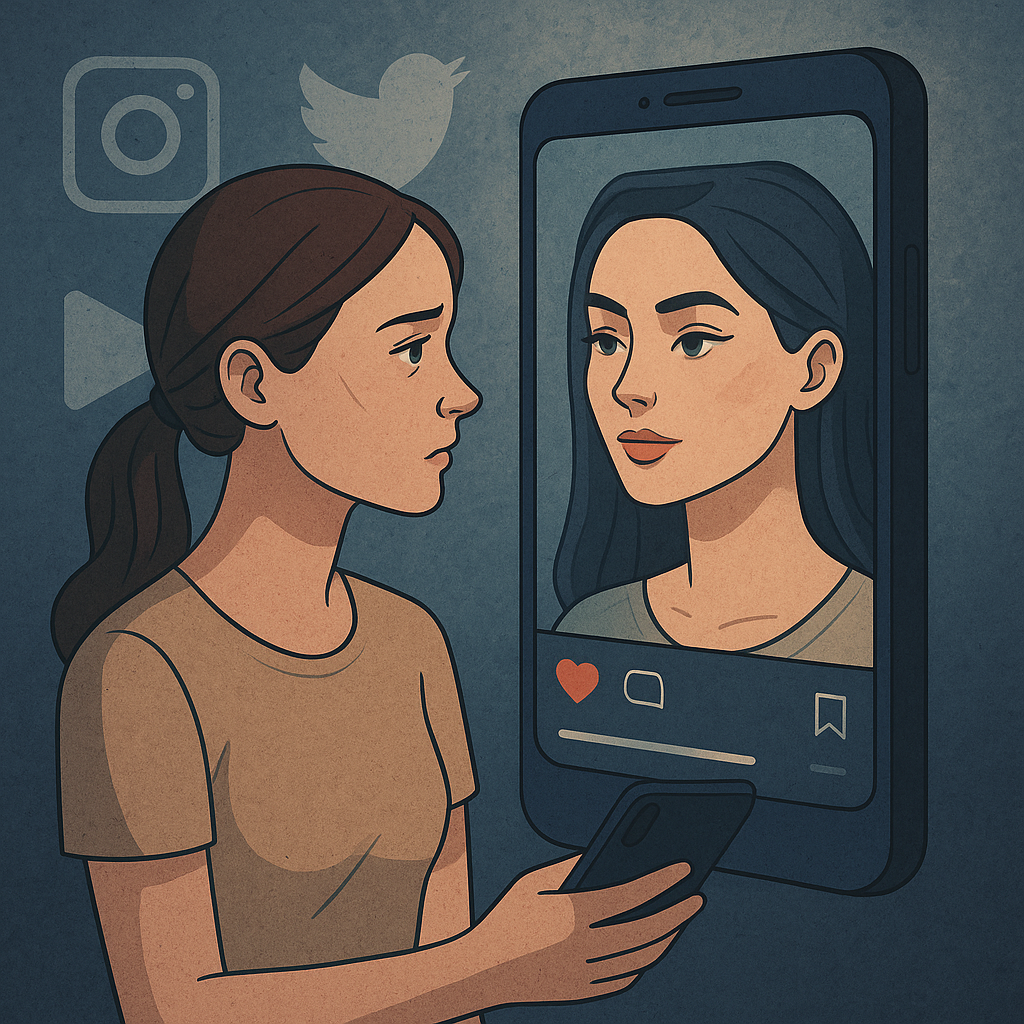
And yet, even as we sit quietly in the back, our imagination tells another story.
In our mind, we see ourselves giving all the right answers, the teacher smiling, classmates clapping, maybe even the whole class impressed by our confidence. We imagine ourselves on stage giving a perfect presentation, hearing the cheers, feeling proud.
We want that moment — we crave that recognition — but the moment all those imaginary eyes turn real, the same fear takes over.
The fear of being seen becomes stronger than the desire to shine.
So we stay where we are, silent, watching the version of ourselves we wish we were — but never letting it step into reality.
That fear doesn’t stay in the classroom. It follows us — to meetings, weddings, theatres, conferences. We choose back seats in life too, not just in school.
We avoid performing, singing, or speaking in public, not because we can’t — but because we worry too much about what people will say.
“Will they laugh if I mess up?” “Will they praise me if I do well?” — this constant inner dialogue keeps us from doing what we truly want.

But here’s something most don’t realize:
The ones who sit in the front tend to focus more, remember more, and gain confidence faster. Every time you raise your hand or give an answer, you train your mind to handle attention — and confidence grows from that.
The same happens during a presentation — the first few minutes might feel terrifying, but once you see yourself doing well, your entire body language shifts. You stand taller. You speak with more energy. You feel in control.
Those small acts of courage — sitting in front, speaking once, volunteering — build habits that stay for life.
They reflect later in how you perform in exams, interviews, or jobs. The same student who hides in the back row ends up avoiding opportunities later, while the one who raises a hand learns to raise their voice in the world too.
All it takes is one small act of courage at a time — sit a little closer, speak once, try one thing you fear. Confidence doesn’t appear all at once; it grows quietly every time you choose not to hide.