
By Raj Mistry
Most of us like to believe we are good people. We see ourselves as compassionate, generous, and willing to help those in need. It is part of how we define ourselves. But our real character isn’t revealed when helping is easy. It is revealed when kindness demands time, money, sacrifice, or inconvenience.
That is why moments of crisis expose human nature better than everyday life ever can. They remove social masks and reveal what people truly value. Sometimes humanity shines. Other times, it quietly disappears.
The uncomfortable question isn’t whether people are capable of kindness.
It’s whether we remain kind when kindness costs us something.
When Crisis Reveals Character
Natural disasters have an unusual way of exposing society. Floods, earthquakes, pandemics, and cyclones create situations where people need each other the most. These moments should bring out our best qualities—cooperation, compassion, and generosity. Sometimes they do. But they also reveal another side of human nature.
As supplies become scarce, prices suddenly rise. Bottled water becomes expensive. Food becomes harder to afford. Essential goods that should be shared become opportunities for profit. The same society that speaks proudly about humanity often treats desperation as a business opportunity.
Survival certainly changes human behaviour, and not everyone who raises prices is acting maliciously. Supply chains break, transport becomes difficult, and genuine shortages occur. But history repeatedly shows that crises also tempt some people to exploit vulnerability rather than relieve it. The question becomes simple: when people are desperate, do we see human beings—or customers?
Why We Help the Wrong People
Human beings rarely help based on need alone. We like to think compassion guides our decisions, but psychology often plays a much larger role.
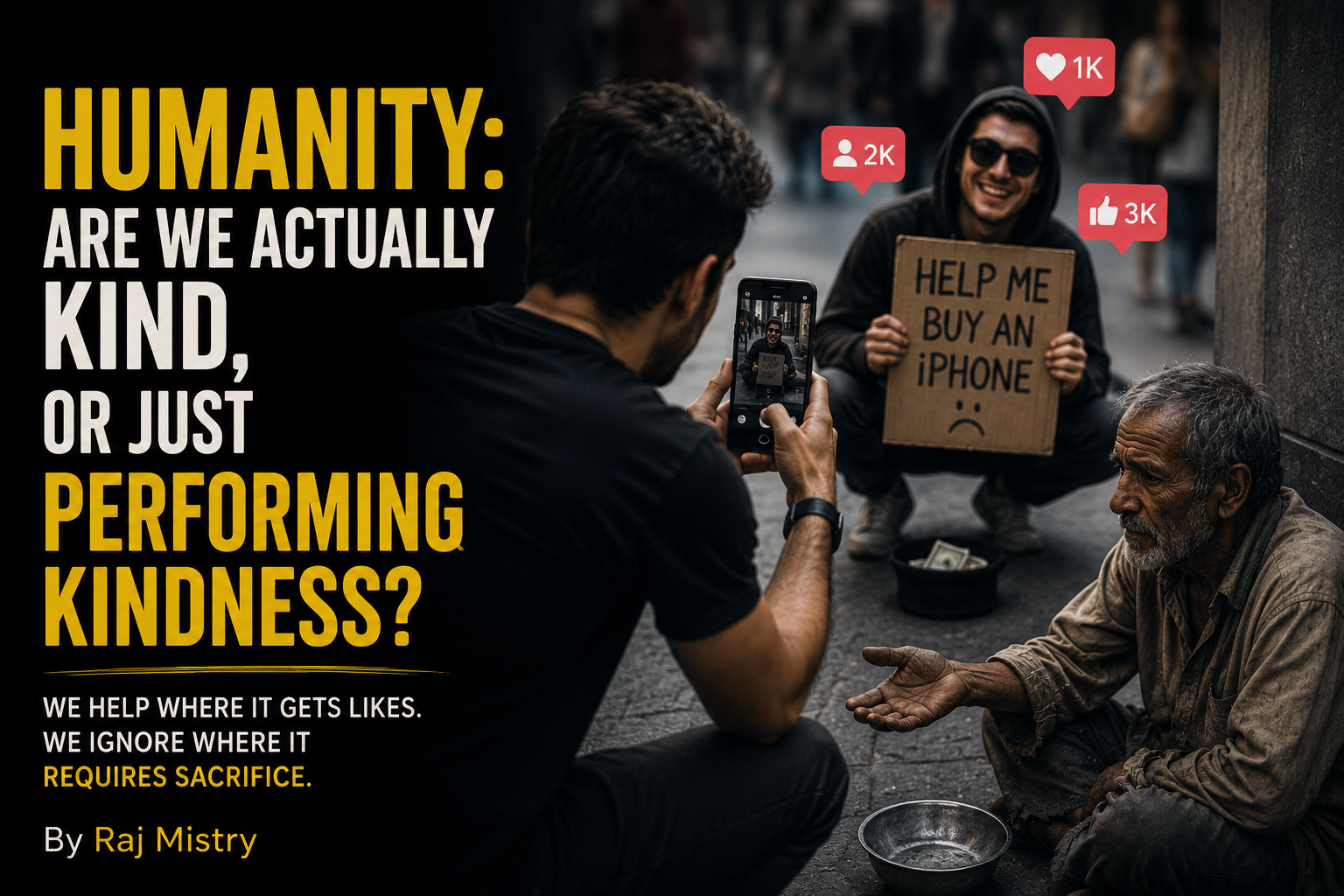
Imagine two people asking for help. One looks successful and tells an unusual story. The other quietly asks for food. Surprisingly often, the first person receives more attention—not because the need is greater, but because the situation feels more interesting, entertaining, or emotionally engaging.
Psychologists call this the influence of attention and social proof. We are naturally drawn toward stories that capture our emotions. We also feel more comfortable helping when we see that others have already done the same. A donation box with money inside often attracts more donations than an empty one because the presence of previous donors reassures us that helping is the “correct” thing to do.
Our kindness is frequently influenced not only by empathy but also by the behaviour of the crowd.
When Kindness Becomes Performance
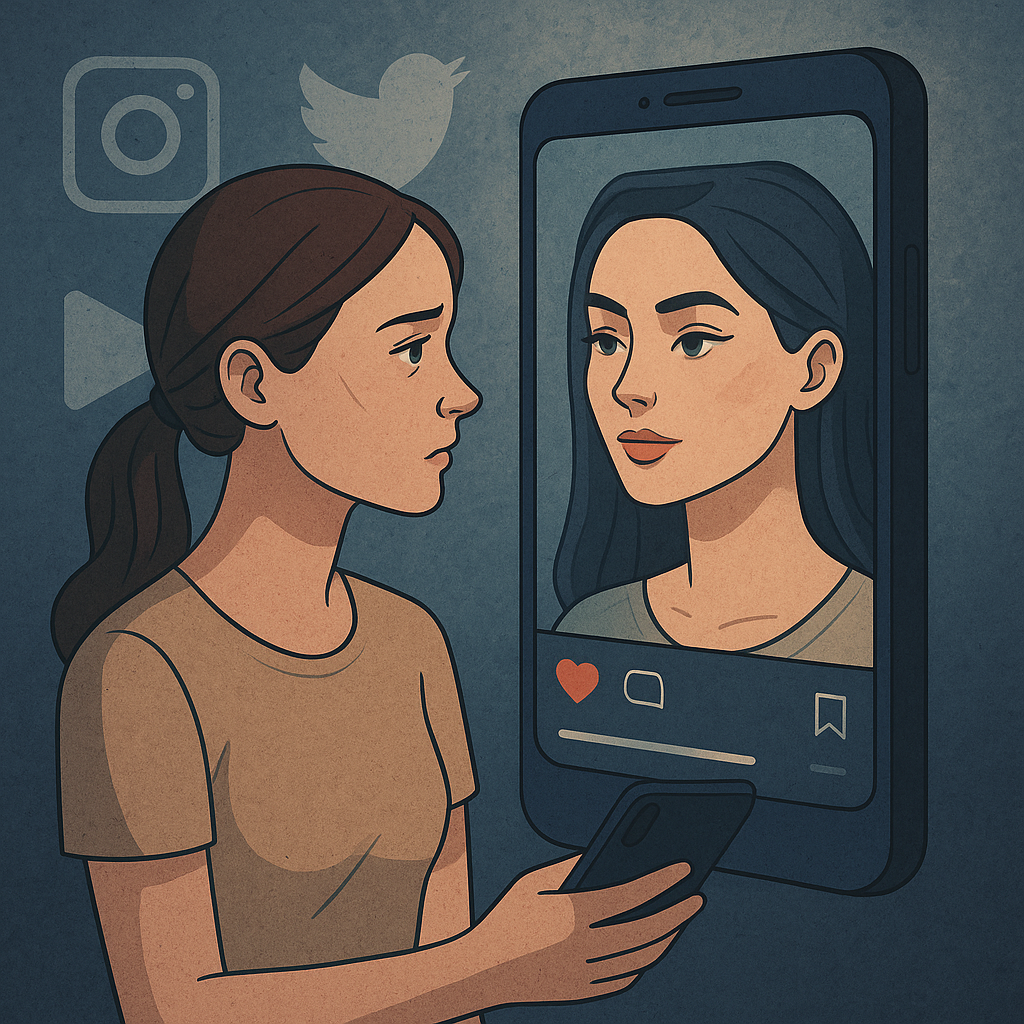
Social media has changed the way kindness is displayed. Helping another person has become something that can be photographed, filmed, edited, and shared with thousands of strangers.
Of course, recording charitable work is not automatically wrong. Sometimes it inspires others to contribute. Sometimes it raises awareness for important causes. But the line becomes blurred when the camera becomes more important than the person receiving help.
Acts of generosity increasingly compete for likes, comments, and attention. The question quietly shifts from “How can I help?” to “How will this look online?”
Real kindness continues even when nobody is watching. Performative kindness often disappears the moment the audience does.
The Small Moments That Define Humanity
We often imagine morality being tested in dramatic situations, but most ethical decisions are surprisingly ordinary. They happen when nobody is paying attention.
A cashier gives you too much change. A tourist doesn’t know the local price. Someone at work makes a mistake you could quietly take advantage of. A stranger clearly needs assistance, but helping would delay your day.
These moments rarely become headlines, yet they shape our character far more than extraordinary events. Humanity doesn’t disappear in one dramatic decision. It slowly erodes through small compromises that become habits.
Every excuse makes the next excuse easier.
Why Kindness Is Hard
Being kind when it is convenient requires very little courage. Being kind when it costs money, time, comfort, or personal benefit is far more difficult.
That is why genuine humanity is so rare.
Most people are generous when generosity feels rewarding. The real test begins when kindness demands sacrifice without recognition. Helping anonymously, expecting nothing in return, and choosing compassion over convenience require a level of character that cannot be performed.
The measure of humanity is not how we behave when helping feels good.
It is how we behave when helping is difficult.
Final Thought
Humanity is not disappearing.
It is being redirected.
We often help where the emotional reward is greatest instead of where the need is greatest. We respond to attention more easily than to suffering, and to recognition more readily than responsibility.
Perhaps the real question is not whether society has become less compassionate.
Perhaps the better question is this:
If nobody could see your kindness, would you still choose to be kind?
Because the answer to that question says far more about humanity than any speech ever could.