
By Raj Mistry
Addiction rarely starts with intention. No one wakes up one day and decides to lose control over their life. It almost always begins casually — a few drinks with friends, one cigarette during a break, a joint to relax, or scrolling endlessly to unwind. It feels harmless. Social. Even enjoyable. And that’s exactly why it can be dangerous.
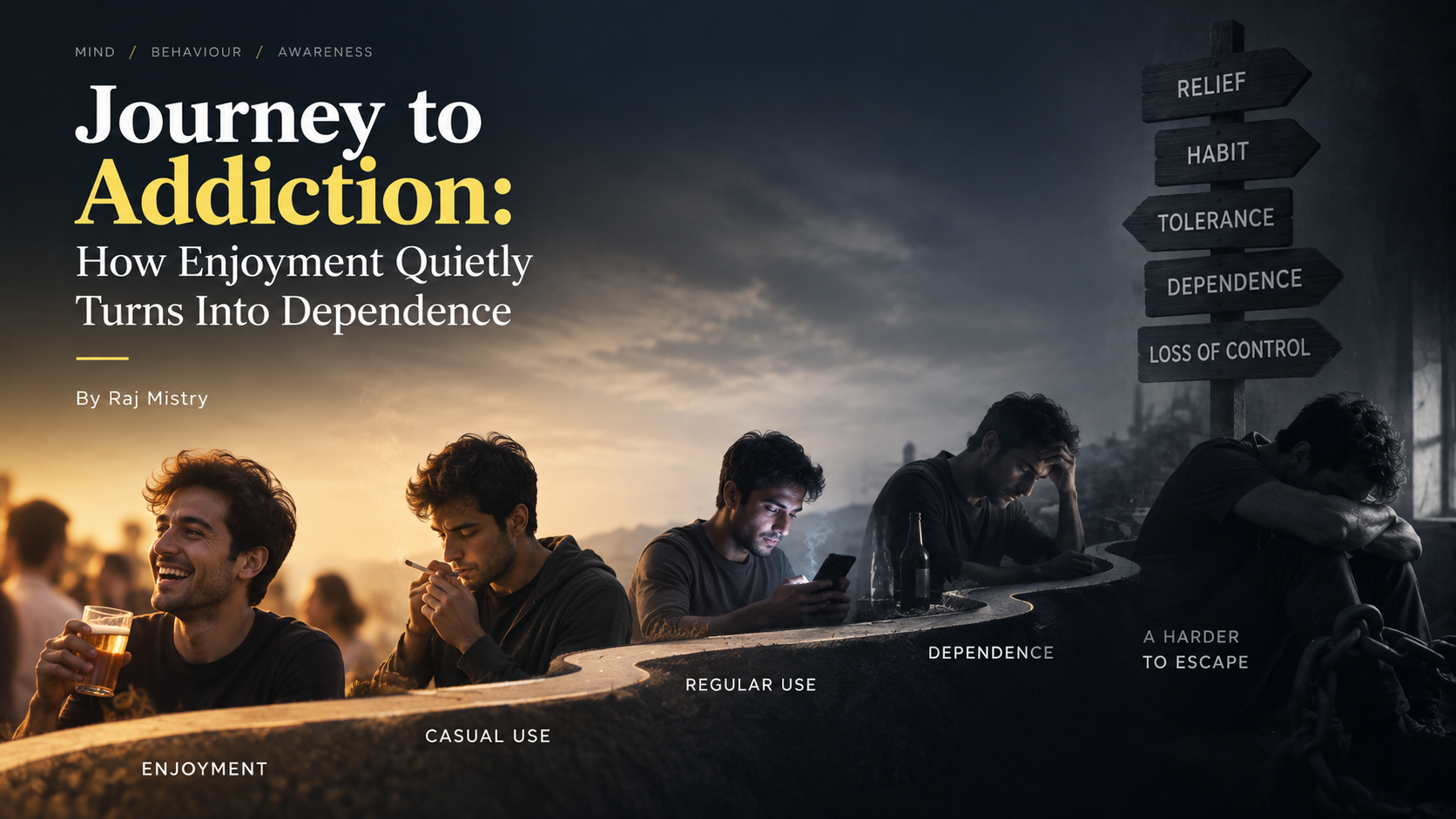
The journey to addiction is rarely loud or dramatic. It’s silent, slow, and often invisible — sometimes even to the person experiencing it. What starts as something we enjoy can gradually become something we depend on, without us noticing exactly when that change happened.
Where It Usually Begins
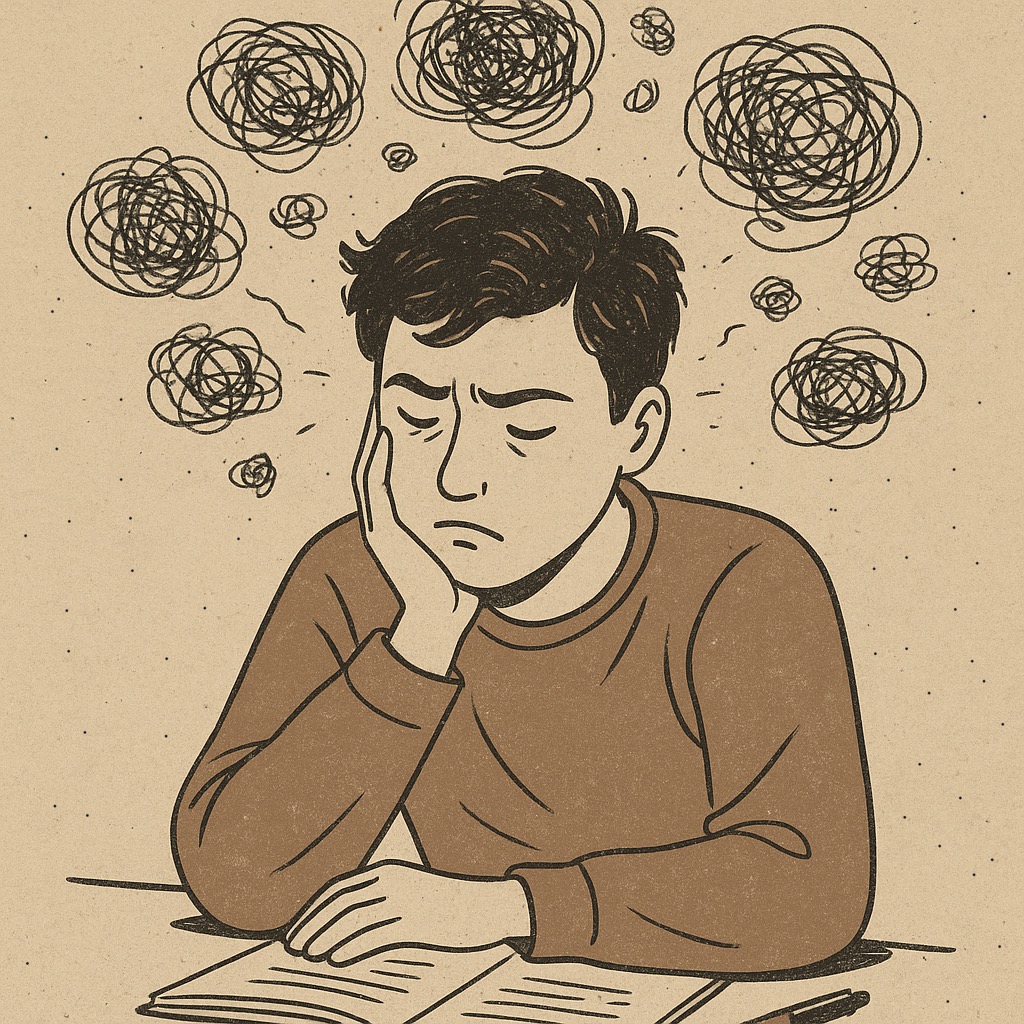
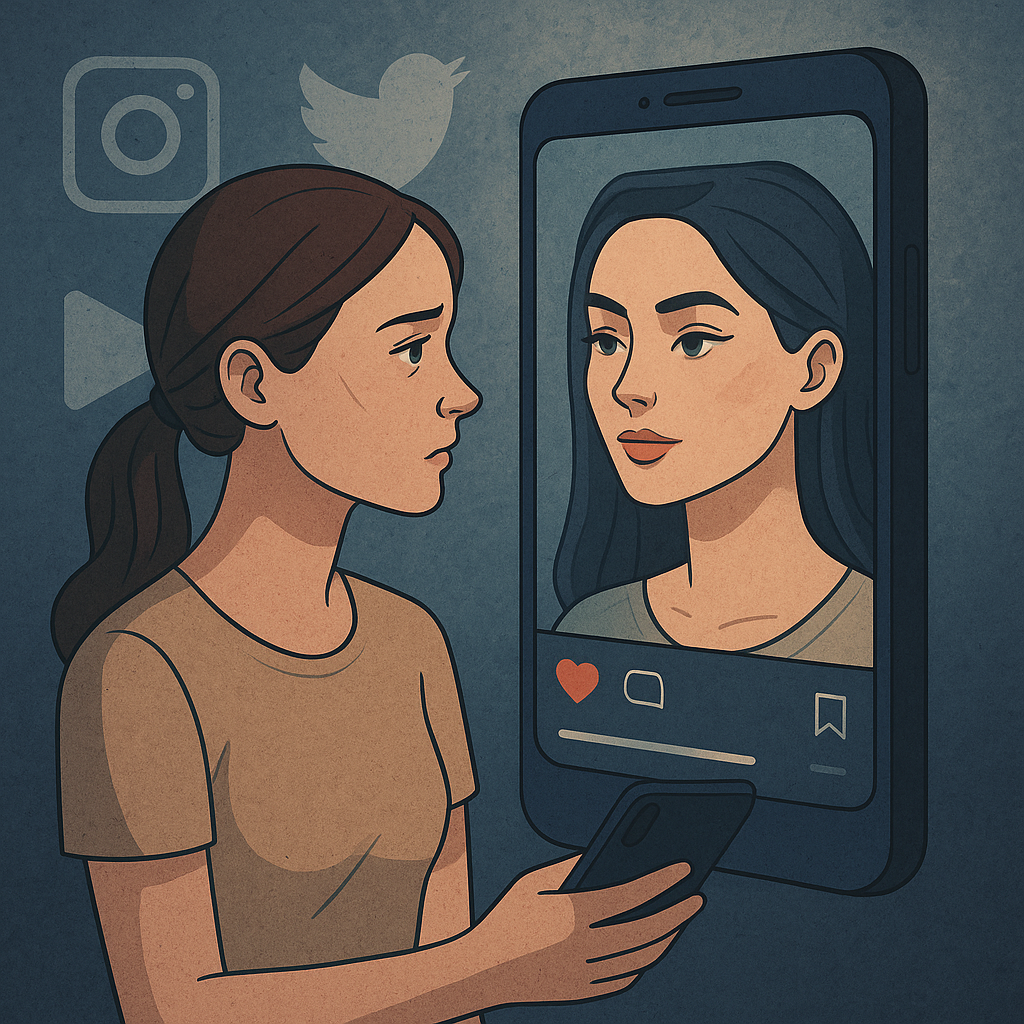
Most addictions start as relief, not obsession. Alcohol helps you relax. Cigarettes calm your nerves. Drugs numb pain. Social media distracts you from overthinking. At first, these things feel like solutions because they give us an immediate escape from stress, sadness, loneliness, or emotional discomfort. And when something makes us feel better, we rarely question it.
What begins as a weekend habit can slowly move into weekdays. What was once “only with friends” becomes something you’re comfortable doing alone. The behavior hasn’t necessarily changed overnight, but your relationship with it has. Something that was once optional slowly becomes something you rely on whenever life feels difficult.
Why We Choose Temporary Relief
No one enjoys staying in distress. No one likes feeling anxious, empty, or overwhelmed. So when life becomes heavy, the mind looks for the fastest exit — not necessarily the healthiest one.
Alcohol, cigarettes, drugs, pornography, and endless scrolling can all provide quick relief. They don’t ask questions. They don’t require much effort. They work immediately. And even when we know they’re not permanent solutions, relief can feel more important than long-term consequences in that moment.
That’s how we justify the next drink, the next cigarette, or the next hour of scrolling. Just this once. I need it today. I’ll stop tomorrow. The immediate relief keeps winning against consequences that feel far away.
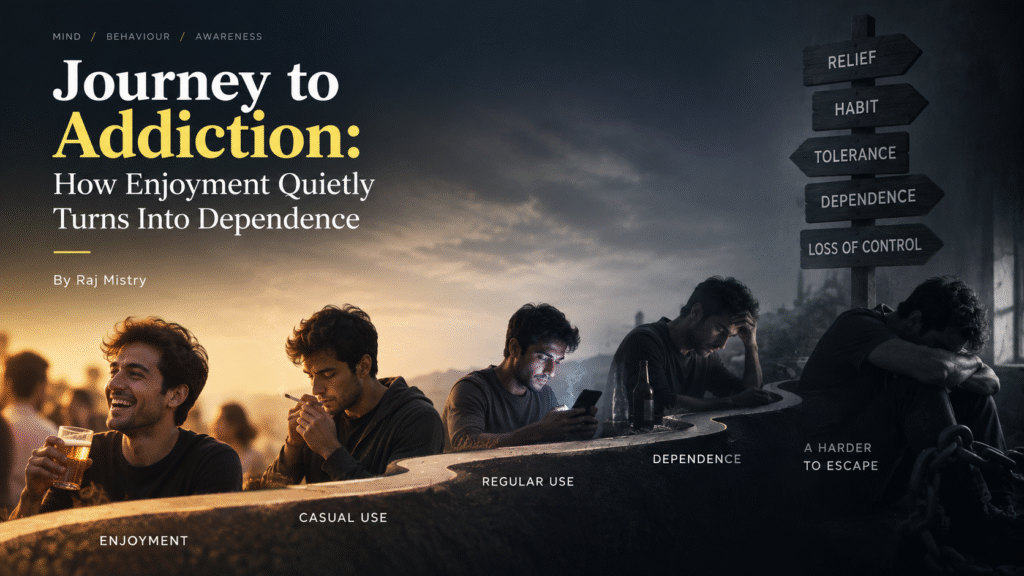
From Choice to Habit to Dependence
In the beginning, you have options. When you feel low, you might go for a walk, talk to a friend, listen to music, watch a movie, sleep it off, or simply give yourself some time. But slowly, those alternatives begin disappearing. Not consciously. Quietly.
Your mind begins associating relief with one particular action. Eventually, your hand reaches for a cigarette without thinking. A drink becomes the automatic response to stress. Social media opens whenever discomfort appears. The action happens before you’ve even had time to think about what you’re doing.
And that’s where the real danger begins.
You’re no longer deciding. You’re reacting.
The Dopamine Trap
Substances and behaviors linked to addiction can create powerful feelings of pleasure and reward. In the beginning, that feeling can make the experience seem incredibly satisfying. But with repeated use, the brain adapts, and what once felt like a high can slowly become your new normal.
Now, when you’re not under the influence or engaging in the behavior, you may not simply feel neutral. You may feel low, irritable, restless, or empty. So you don’t consume anymore simply because you want to enjoy yourself.
You consume because you want to feel okay.
And when the original effect no longer feels as strong, you may find yourself wanting more than before just to experience the feeling you once got easily. That’s how the cycle tightens.
When Enjoyment Disappears
One of the most important changes happens when enjoyment disappears but the behavior remains.
Alcohol becomes part of your routine rather than something you genuinely enjoy. Smoking fits into your day like any other routine. Scrolling fills every empty moment, even when you’re no longer getting much pleasure from it.
That’s the point worth noticing.
You stop enjoying it, but you still do it.
When enjoyment disappears and compulsion remains, the substance or behavior is no longer serving you.
You are serving it.
Denial: The Mind’s Defense Mechanism
As a person goes deeper into addiction, denial can become stronger. Thoughts like “I have control,” “I can quit anytime,” “Everyone does this,” or “At least I’m not as bad as other people” begin appearing.
Denial isn’t stupidity. It’s protection. Accepting the truth would mean facing pain, shame, and change, so the mind finds ways to justify what is happening. The addiction doesn’t just affect behavior; it begins influencing the way you think about the behavior.
The more something controls you, the more strongly you may feel the need to defend it.
The Loss of Choice
Addiction doesn’t take freedom overnight. It slowly removes alternatives.
At first, alcohol is one option among many. Later, it becomes the first option you think about. Eventually, it can become the only option you consider when stress appears. When stress hits, you don’t think — you reach.
And when relief becomes automatic, control is already slipping. At this point, addiction is no longer simply about pleasure. It becomes about avoiding the discomfort of not having it. Not drinking feels worse than drinking. Not scrolling feels unbearable. Not using feels abnormal.
That’s when something that once felt like an escape can become a prison.
Final Reflection
The journey to addiction isn’t simply about weakness or a lack of discipline. It’s about how easily temporary relief can become a repeated pattern, how repeated patterns can become unconscious choices, and how those choices can gradually reduce the alternatives available to us.
Most people don’t realize how far they’ve gone until the enjoyment is gone and quitting suddenly feels terrifying. What once seemed like a choice has become something they feel they need.
If there’s one thing to remember, it’s this:
You don’t fall into addiction.
You slowly walk into it — one justified step at a time.
Awareness doesn’t cure addiction.
But awareness is where recovery begins.