
By Raj Mistry
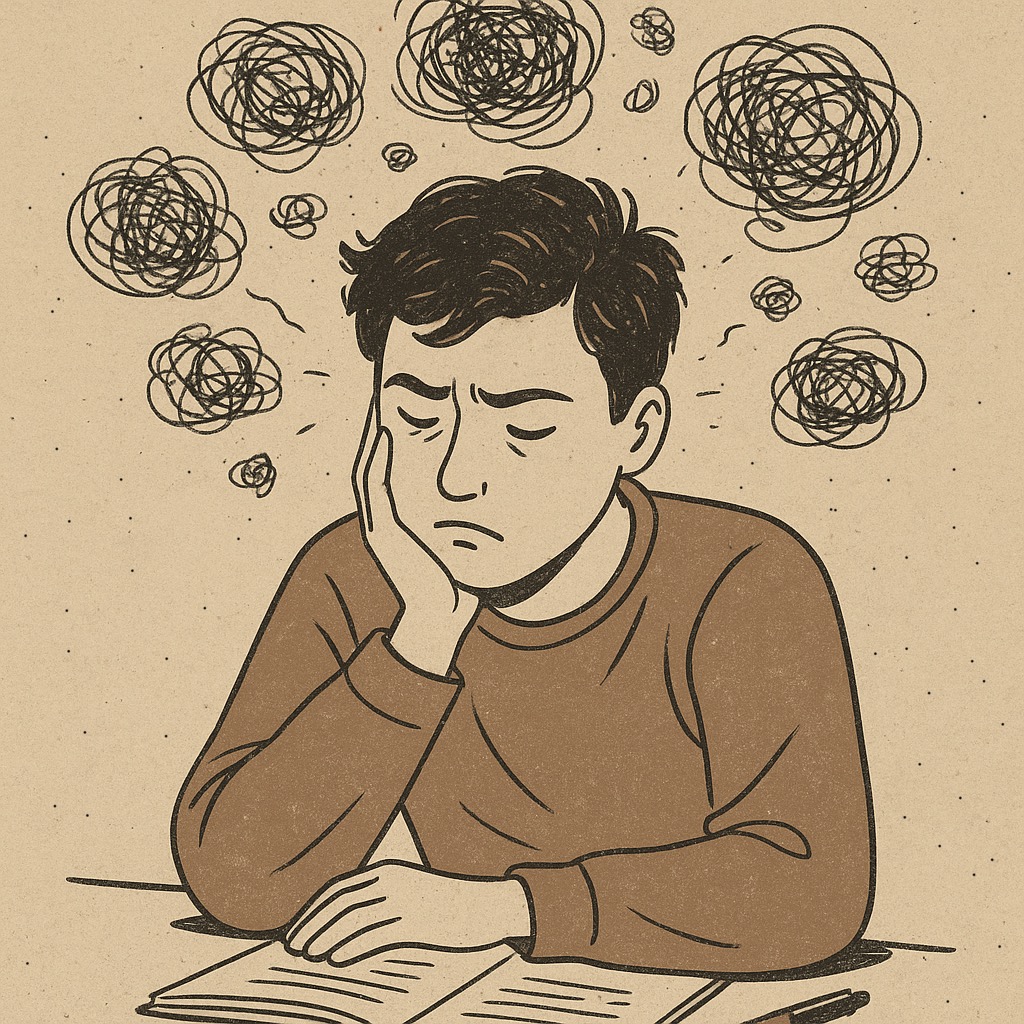
We often complain that everything has become expensive. We say we need to earn more just to afford a normal life. We chase money and blame the economy for our struggles.
But if we pause for a moment and look closely, we might realize something uncomfortable: survival itself isn’t as expensive as we think.
Most of us, even with modest incomes, can cover the basics — food, shelter, a phone, and daily necessities. Yet many of us still feel like we’re barely surviving.
Why?
Because somewhere along the way, comfort quietly became part of our definition of necessity.
When Comfort Becomes “Basic Need”
We often say we need a certain amount of money just to survive. But there are people earning less than that who still manage to support families and run households.
Even those struggling financially often still own a smartphone, a television, or a refrigerator. There’s nothing wrong with having these things — they make life easier. But they reveal something important:
Our definition of basic living has changed.
Survival today includes many comforts that previous generations never considered essential.
When Income Increases but Satisfaction Doesn’t
I remember when I first started working. My salary was modest — just enough to cover my monthly expenses, plus a little extra for a movie, a restaurant meal, or a small trip nearby.
If I saved for two or three months, I could even travel somewhere far within the country.
Today I earn much more than I did back then. Yet if I had to live on that same early salary now, I would probably feel like I couldn’t survive.
That realization made me pause.
Life hadn’t become more expensive.
My choices had.
Lifestyle Inflation: The Silent Upgrade
As our income grows, so do our expectations.
Earlier, I was satisfied with simple things. I never went hungry, and I managed all my necessary expenses. I couldn’t buy an expensive phone or travel abroad easily — but I didn’t feel poor either.
Now, with a higher income, those luxuries are easier to afford. But they come with new standards.
The lifestyle expands, and suddenly what once felt like luxury begins to feel like necessity.
That’s when the pressure to earn more begins again.
The Influence of the World Around Us
For survival, you don’t need luxury hotels, international trips, or the newest designer phone.
These are choices — often influenced by the people around us.
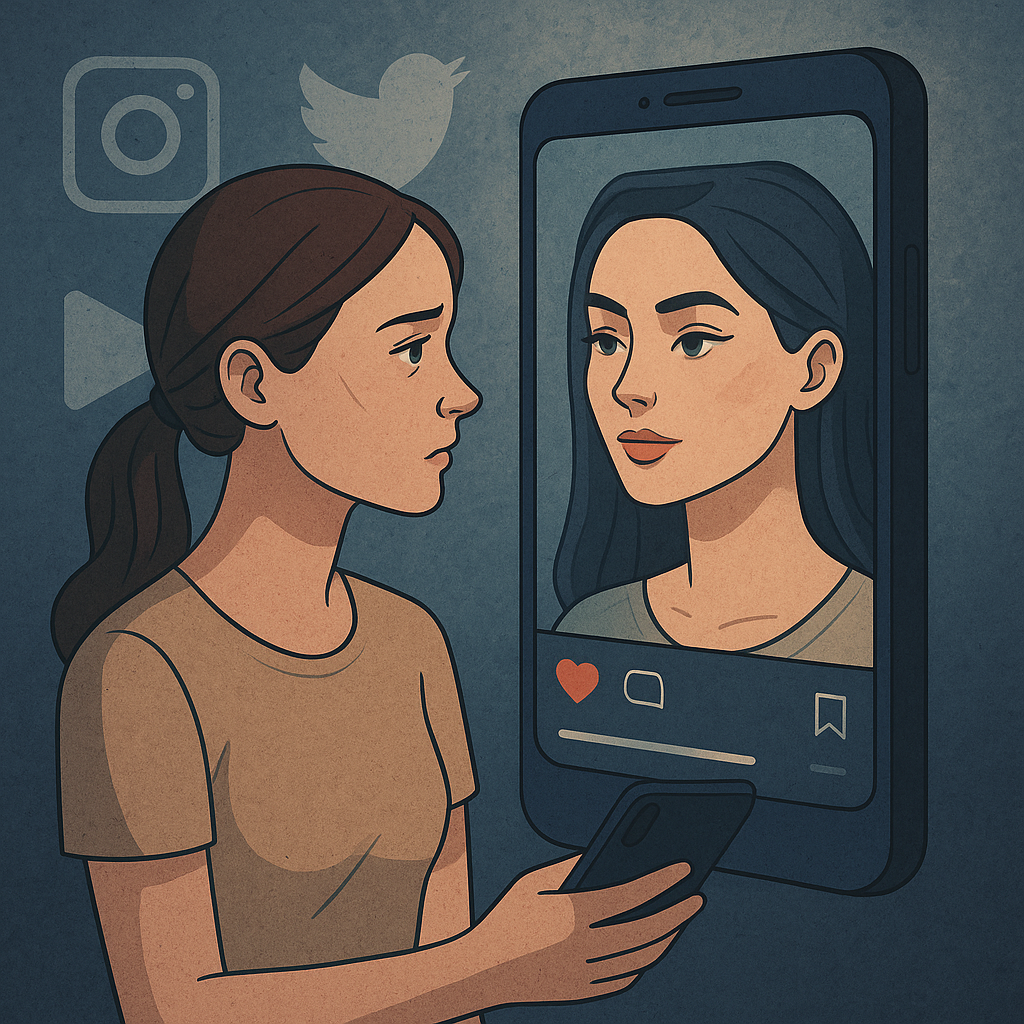
Friends, colleagues, and especially social media influencers show carefully curated lifestyles that look glamorous and effortless. Their job is to promote that lifestyle.
But while they earn money from selling that image, many of us spend money trying to imitate it.
Without realizing it, we slowly raise the cost of our own lives.
Ambition Is Healthy — But Perspective Matters
None of this means we shouldn’t dream bigger or work harder.
Ambition is healthy. Wanting a better life for yourself and your family is natural.
But it’s also important to recognize something simple:
What you already earn might be enough to live a decent life.
There are people surviving — even thriving — with far less than what you have right now.
What feels like the bare minimum to you might be someone else’s fortune.
The Real Cost of Life
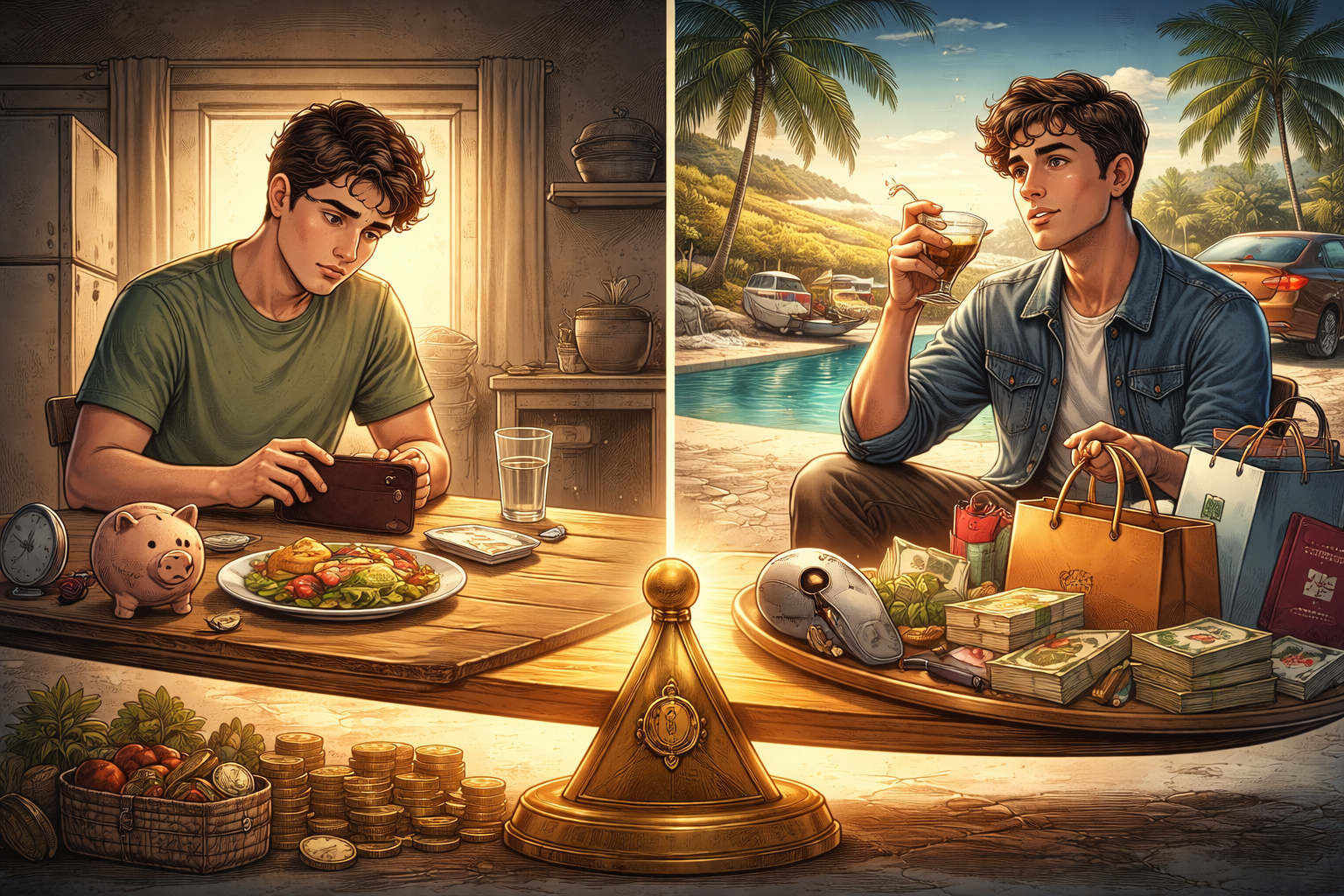
Life itself is not expensive.
Food, shelter, and basic living are manageable for most people with disciplined spending.
What truly becomes expensive are the choices we make about how we want to live.
Luxury, convenience, status, comfort — these things add up quickly.
And once we adapt to them, it becomes hard to imagine living without them.
Final Thought
Instead of constantly feeling frustrated about what you don’t have, pause and look at what you already do.
Be grateful for it.
Work hard. Aim higher. Improve your life.
But stay grounded enough to remember one simple truth:
Life itself is cheap.
It’s our choices that make it expensive.