
By Raj Mistry
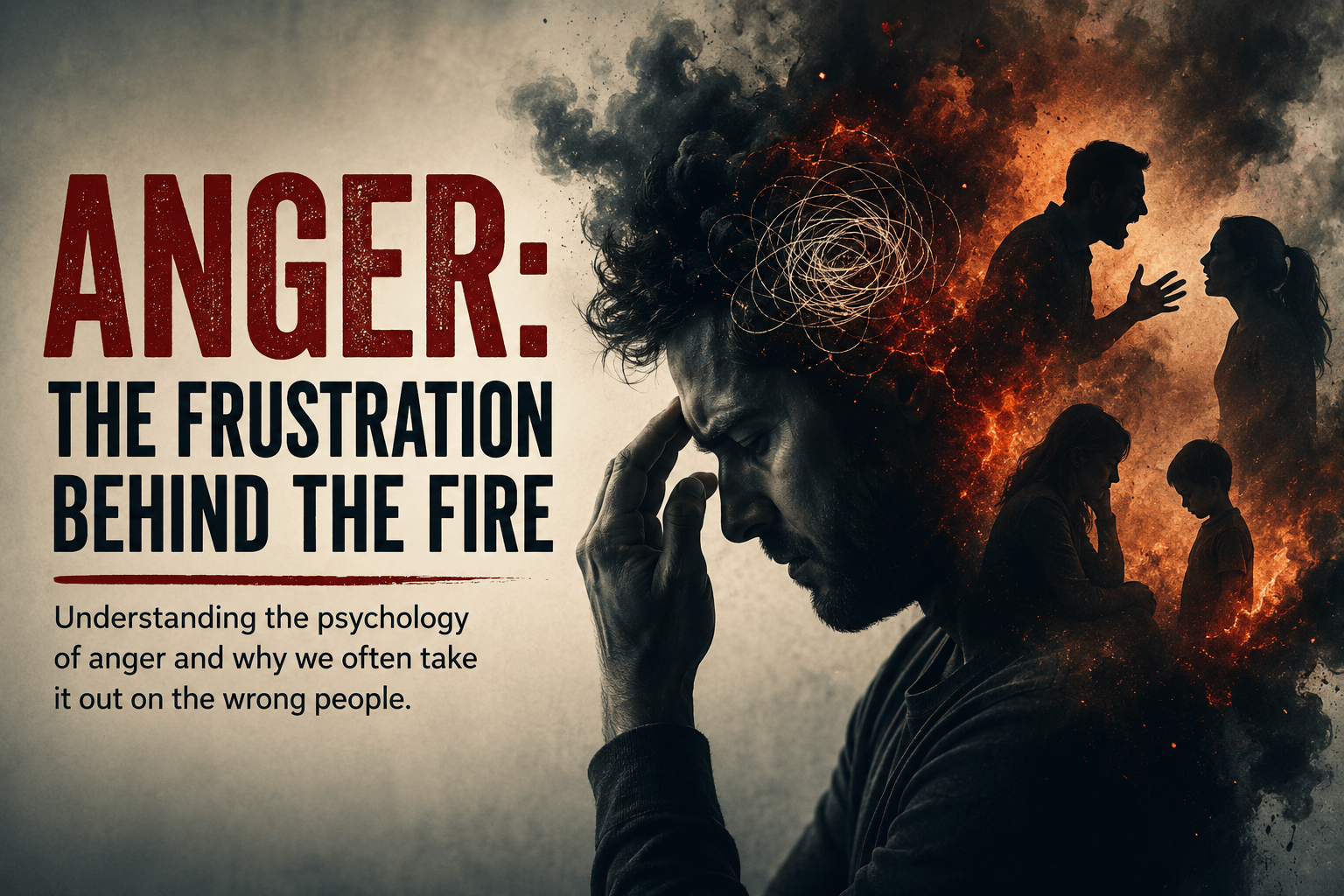
Anger is one of the easiest emotions to recognize and one of the hardest to understand. Most of us believe we know exactly why we become angry. Someone speaks rudely, breaks our trust, ignores us, or crosses a boundary, and we immediately assume that person is responsible for our reaction. Sometimes that is true. But many times, the person standing in front of us is only the final trigger. The real cause of our anger has been building quietly for hours, days, or even weeks before it finally finds someone to fall on.
That is what makes anger so deceptive. It convinces us that the last thing that happened is the biggest problem, when in reality it is often just the last straw. We mistake the spark for the fire, forgetting that the fire had already been burning long before anyone else walked into the room.
When Frustration Becomes Anger
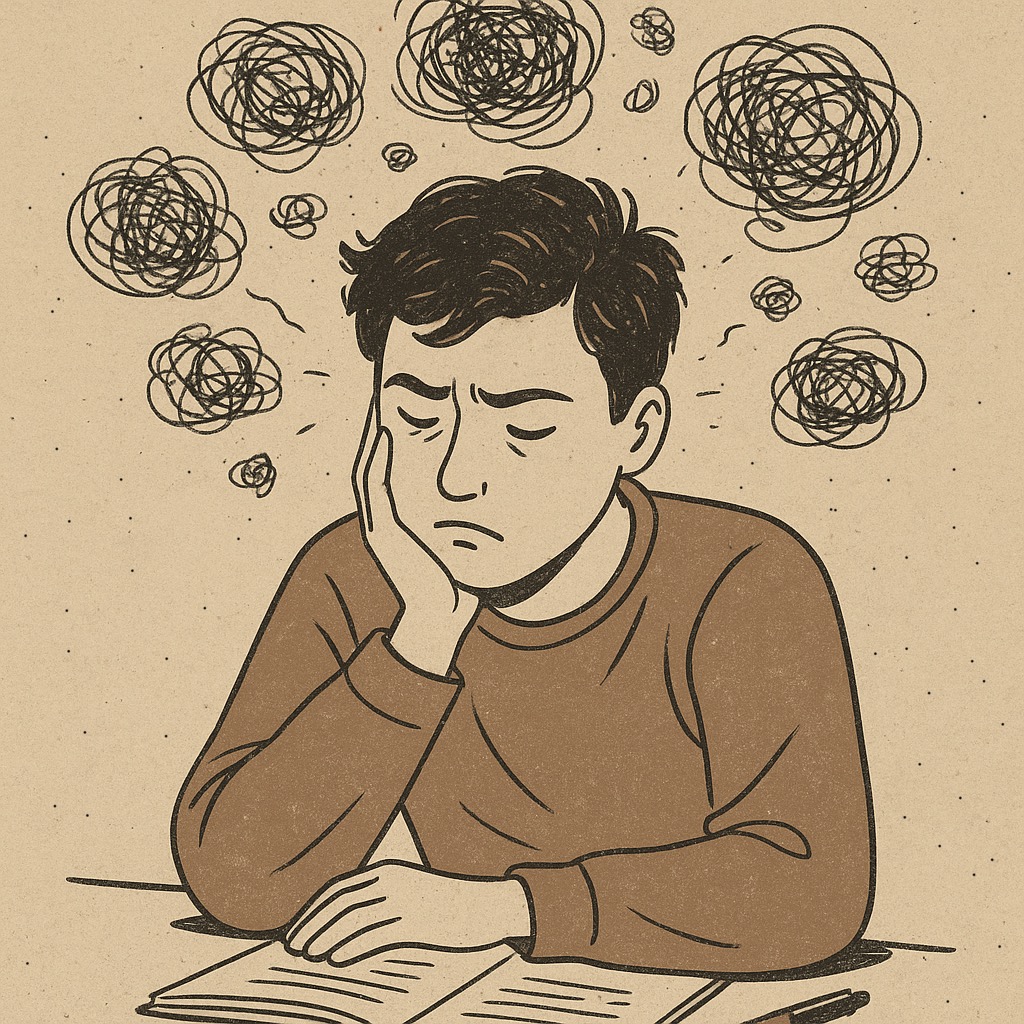
Imagine an ordinary working day. You wake up late, rush through traffic, spend hours dealing with deadlines, answer endless phone calls, skip lunch because you’re too busy, and return home mentally exhausted. None of those moments seem important on their own, yet each one quietly adds another layer of frustration. Your patience slowly shrinks without you even noticing it.
Then your child accidentally spills a glass of water. Your partner forgets to buy something you asked for. A friend interrupts you while you’re speaking. Suddenly you explode, not because the mistake was serious, but because your emotional container was already full. The person standing in front of you simply happened to arrive at the wrong moment.
This is why psychologists often describe anger as a secondary emotion. Underneath it usually sits something much quieter—stress, disappointment, fear, embarrassment, loneliness, exhaustion, or even something as simple as hunger. Anger becomes the language those emotions borrow when they have been ignored for too long. Instead of asking what has been happening inside us all day, we focus only on the final event that triggered the reaction.
Why We Hurt the People We Love Most
One of the saddest truths about anger is that it rarely travels toward the people who actually caused it. Most of us would never speak to our manager the way we sometimes speak to our spouse. We would never shout at a customer the way we shout at our children. The reason is simple—there are consequences.
Anger follows the path of least resistance. It moves toward the people who feel safest because somewhere in our mind we believe they will forgive us. We often justify it by saying, “I can only be myself around you,” or “You’re the only person I can vent to.” But if someone is important enough to stay beside you through life’s difficult moments, they deserve your greatest patience, not your accumulated frustration.
The irony is painful. We carefully choose our words around strangers because we fear losing their respect, yet we speak carelessly to the people we claim to love the most. We protect temporary relationships while neglecting permanent ones. Over time, those small moments of misplaced anger quietly damage trust, making loved ones feel punished for problems they never created.
The Hidden Fuel Behind Modern Anger
Modern life makes this pattern even worse. We sleep less, work longer, consume endless information, and spend hours moving from one notification to another. The mind never gets a chance to recover. It remains constantly stimulated but rarely rested.
Even something as ordinary as hunger changes how we react. Anyone who has worked through lunch knows how quickly patience disappears. Add poor sleep, constant screen time, financial stress, and endless responsibilities, and the smallest inconvenience suddenly feels enormous. The situation itself has not become bigger. Your ability to regulate your emotions has simply become smaller.
This is why blindly “letting your anger out” rarely solves anything. Shouting at someone may provide a few seconds of relief, but it does nothing to address the stress, exhaustion, or disappointment that created the anger in the first place. It is like silencing a fire alarm while the fire continues to burn.
Learning to Understand Your Anger
Before reacting, pause for a moment and ask yourself a different question. Instead of asking, “Who made me angry?” ask, “What was I feeling before I became angry?” That single question shifts your attention from blaming others to understanding yourself.
Maybe you are overwhelmed. Maybe you are exhausted. Maybe you are carrying disappointment you never expressed. Maybe you are worried about something completely unrelated to the current situation. Once you identify the real source, your response becomes calmer because you are addressing the actual problem instead of the nearest person.
This doesn’t mean you should never express anger. Sometimes people genuinely cross boundaries, and difficult conversations are necessary. But there is a difference between responding with clarity and reacting from accumulated frustration. One solves problems. The other creates new ones.
Final Thought
Life rarely gives unlimited opportunities to repair relationships damaged by misplaced anger. Words spoken in a few seconds can stay with someone for years. The people who love us most usually forgive us, but forgiveness should never become an excuse to keep hurting them.
You don’t need to become someone who never gets angry. Anger is a normal human emotion. You simply need to understand what it is trying to tell you. Sometimes it points toward another person’s behaviour. More often than we realise, it points back toward something unresolved within ourselves.
The next time anger rises, don’t rush to find someone to blame. Pause long enough to understand where it came from. You may discover that the person standing in front of you was never the real cause at all—and that understanding might save a relationship that matters far more than winning an argument.