
By Raj Mistry
We all want to achieve something meaningful in life. Learn a skill, build a body, write something, create something, become someone better than who we are today. It doesn’t take much to spark that desire. A movie, a reel, or someone else’s success is enough to make us think, “I should do this.”
And to be honest, we don’t lack ambition.
We lack completion.
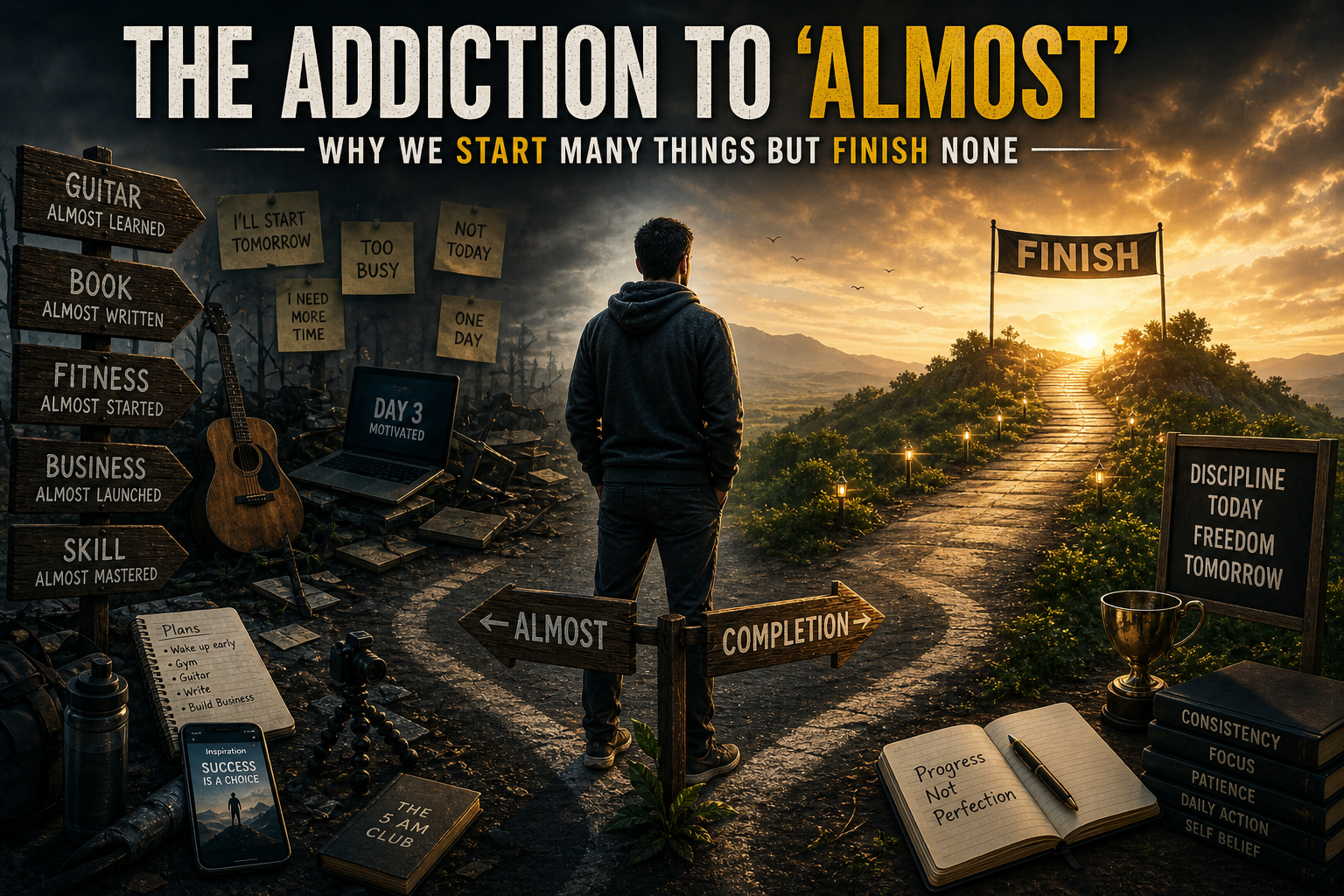
We live in a quiet loop of almost starting, almost committing, almost improving, and almost succeeding. Not because we don’t want success—but because we rarely stay long enough to experience it.
The High of Starting
The beginning always feels powerful. Motivation is high, energy is fresh, and everything feels possible. In those early days, we imagine the result so clearly that it almost feels like it’s already ours.
That’s where the illusion begins.
We expect progress to be quick. We believe that a few days of effort will lead to visible change. But reality doesn’t respond to excitement—it responds to consistency. And consistency is not exciting. It is repetitive, slow, and often invisible in the beginning.
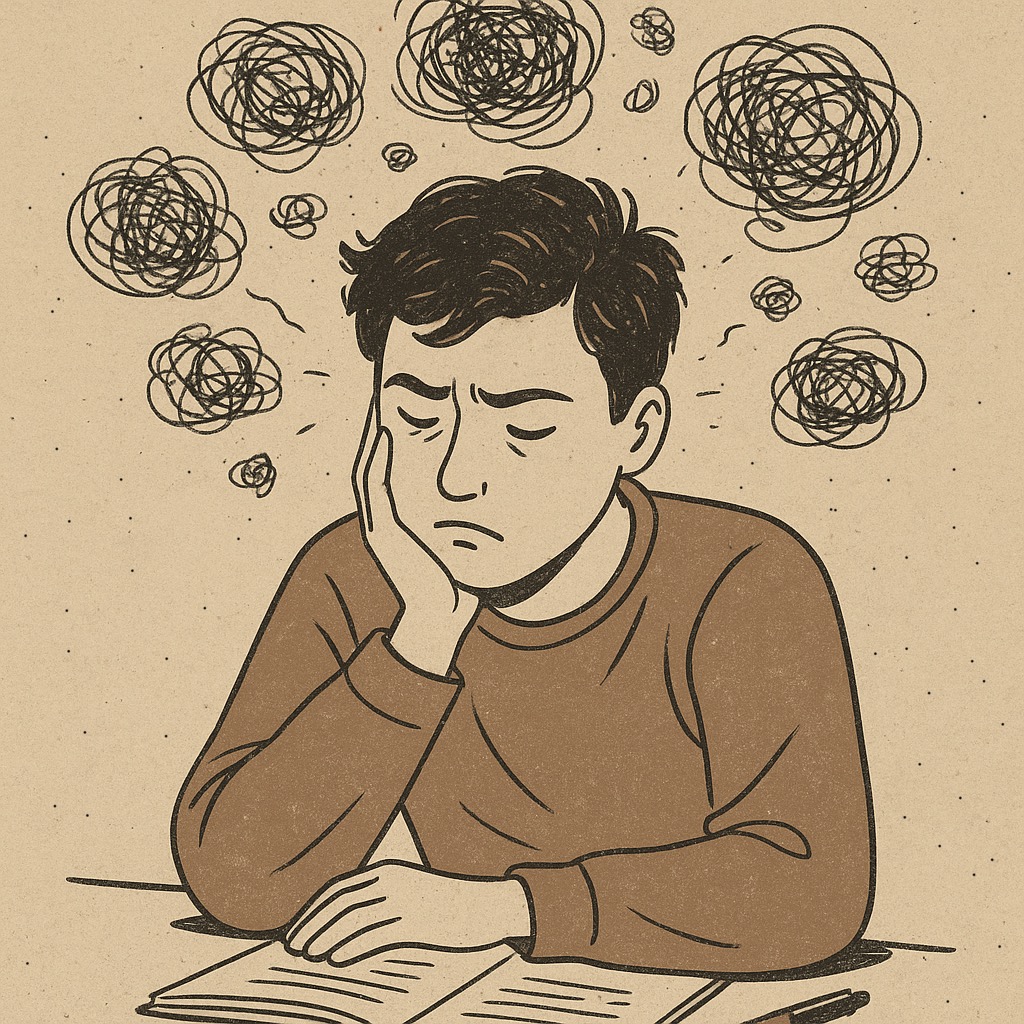
And when the excitement fades, so does our effort.
The Real Problem: We Love the Idea, Not the Work
If you look closely, the issue is not discipline—it’s attachment. We are deeply attached to the idea of success, but not to the process required to reach it.
We imagine the outcome: the body, the skill, the recognition, the identity.
But we resist the process: the repetition, the discomfort, the patience.
It’s the same pattern you see in children. One day they want to be an astronaut, the next day something else. The idea excites them, but the journey doesn’t.
Adults behave the same way—just with more serious goals.
We start with excitement. We stop when effort becomes real.
The Dopamine Trap
There is also a biological reason behind this pattern.
Starting something new gives your brain a strong dopamine hit—it feels rewarding, exciting, and meaningful. But repeating the same action every day gives very little stimulation. The biggest reward comes only at the end, when something is completed—and that takes time.
So the brain starts chasing beginnings.
Not endings.
Motivation launches the rocket. Discipline keeps it in orbit.
Most people burn all their fuel at launch—and never stay long enough to reach anywhere.
The Comfort of ‘Almost’
“Almost” is dangerous because it feels safe.
You didn’t fail. But you didn’t succeed either.
So you tell yourself you tried. You give yourself just enough credit to move on—without actually changing anything. And then the cycle repeats.
In the long run, almost becomes a habit. A pattern. And eventually, an identity.
And the truth is simple:
Almost kills more dreams than failure ever will.
Because failure teaches.
Almost only delays.
The Bamboo Lesson
Real growth is not always visible.
For years, bamboo shows no signs of progress above the ground. But beneath the surface, roots are growing, spreading, strengthening. And then one day, it rises rapidly.
Most people quit before that phase.
Not because growth isn’t happening—but because they cannot see it yet.
The Only Way Forward
If you want to break this cycle, the solution is not more motivation—it is consistency. Showing up when you feel like it is easy. Showing up when you don’t is what builds anything meaningful.
Fall in love with the process, not just the result. Give yourself time instead of unrealistic deadlines. Stay long enough to see progress appear.
Motivation can start the journey.
But discipline is what completes it. And consistency is what makes it part of who you are.
Final ThoughT
The world is full of people who started something.
Very few finish.
And the difference is not talent, luck, or intelligence.
It is the ability to stay when the excitement leaves.
Don’t be addicted to almost.
Be someone who completes.